 blog
Automatic vs Hand Wash: Which Protects Your Car's Paint
Table of Contents
- Automatic Car Wash vs Hand Wash: The Core Trade-Off
- Do Automatic Car Washes Scratch Paint
- How to Hand Wash a Car Without Scratching
- Touchless Car Wash Pros and Cons
- Best Way to Wash a Car With Ceramic Coating
- Cleaning Power and Finish Quality Compared
- Convenience, Cost, and Long-Term Paint Protection
- Conclusion: Choosing the Right Wash Method for Your Vehicle
- Frequently Asked Questions
Last Updated: October 11, 2026
Automatic Car Wash vs Hand Wash: The Core Trade-Off
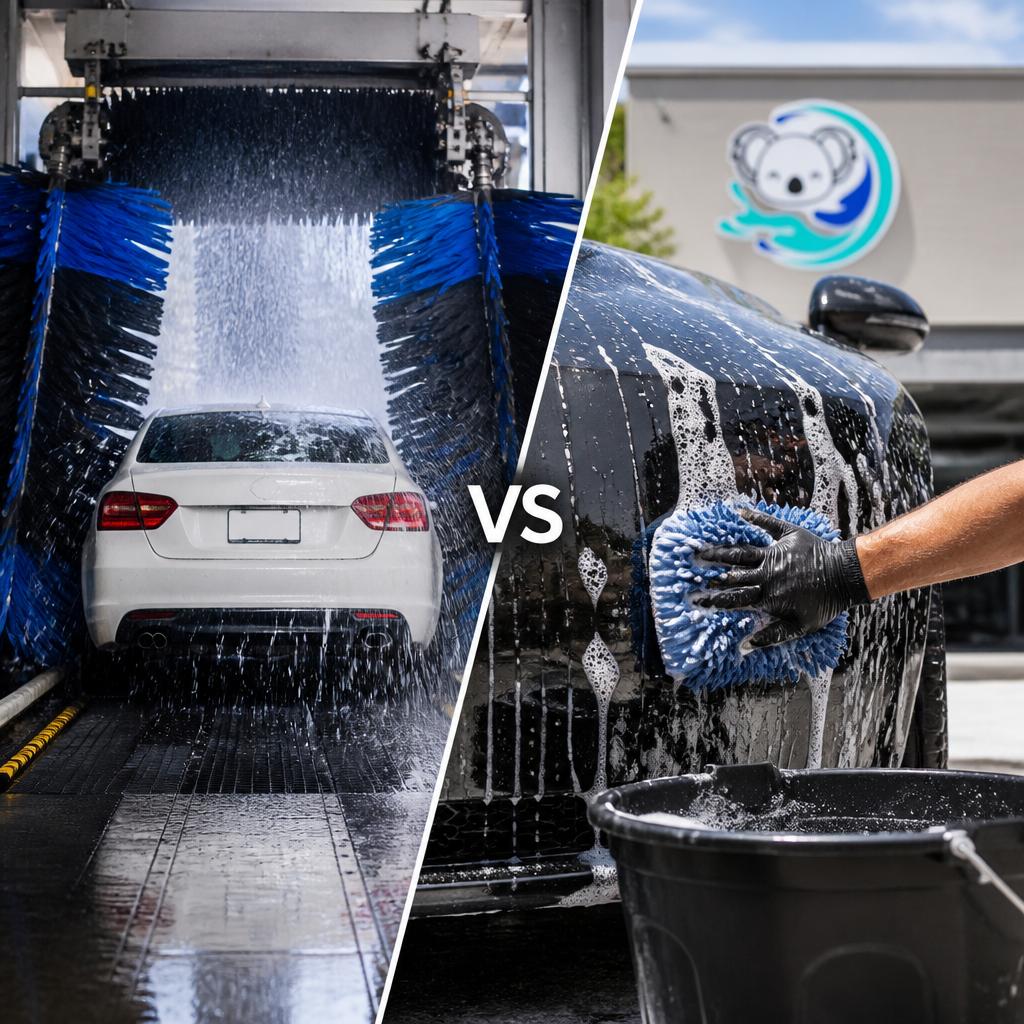
When it comes to protecting your car's paint, the choice between automatic car wash and hand wash isn't straightforward. Both methods clean your vehicle, but they work in fundamentally different ways, and the one that's right for you depends on what matters most: convenience, paint safety, or cleaning power.
The core tension is simple: automatic washes offer speed and consistency, but traditional brush-based systems introduce friction that can damage your clear coat. Hand washing gives you complete control, but it's time-intensive and only as good as your technique.
The real question isn't which method is universally "better." It's which one matches your vehicle's condition, your lifestyle, and how much risk you're willing to accept.
Do Automatic Car Washes Scratch Paint
Yes, traditional automatic car washes with brushes can scratch your paint. This happens because brushes make direct contact with your vehicle's surface under pressure, and they accumulate dirt and abrasive particles from previous washes. Even if the brushes are regularly cleaned, micro-scratches and swirl marks are an inevitable byproduct of friction-based washing.
The damage occurs in layers. First, loose dirt particles get trapped between the brush bristles and your clear coat. As the brush moves across the paint, these particles act like tiny abrasives, creating fine scratches. Over time, these micro-scratches compound into visible swirl marks, those circular patterns you see when light hits your paint at certain angles.
The severity depends on several factors:
- Brush condition: Worn or dirty brushes cause more damage than clean, well-maintained ones
- Your paint's existing condition: Softer or compromised clear coats are more vulnerable
- Water quality: Hard water with mineral deposits increases abrasive potential
- Wash frequency: More washes mean cumulative damage, even if each individual wash causes minor scratches
Hand washing avoids this problem entirely because you control the pressure and can use soft materials. However, hand washing introduces different risks if done incorrectly, more on that in the next section.
How to Hand Wash a Car Without Scratching
Hand washing is the most paint-safe method when done correctly, but most people do it wrong. The key is eliminating abrasive contact between your wash tools and your paint.
Start with the right equipment. Use a microfiber wash mitt or soft sponge, never a regular cloth or rough material. Fill two buckets: one with soapy water and one with clean rinse water. This two-bucket method is essential, it lets you rinse dirt from your mitt before each pass, preventing contamination from transferring back to your paint.
The washing process itself requires patience and gentleness:
- Rinse first. Use a hose to remove loose dirt and road grime. This step reduces the amount of abrasive particles on your paint before you touch it.
- Work from top to bottom. Gravity helps dirt flow downward, so starting at the roof and working toward the wheels prevents re-contaminating clean areas.
- Use light pressure. Let the soapy water do the work. Your wash mitt should glide across the paint, not scrub it. Think of it as guiding the soap, not forcing dirt off.
- Rinse between sections. After washing your roof, rinse it before moving to the hood. This prevents soap from drying on the paint and keeps your mitt clean.
- Dry with a microfiber towel. Water spots form when mineral-rich water dries on your paint. Use a clean microfiber drying towel to prevent this.
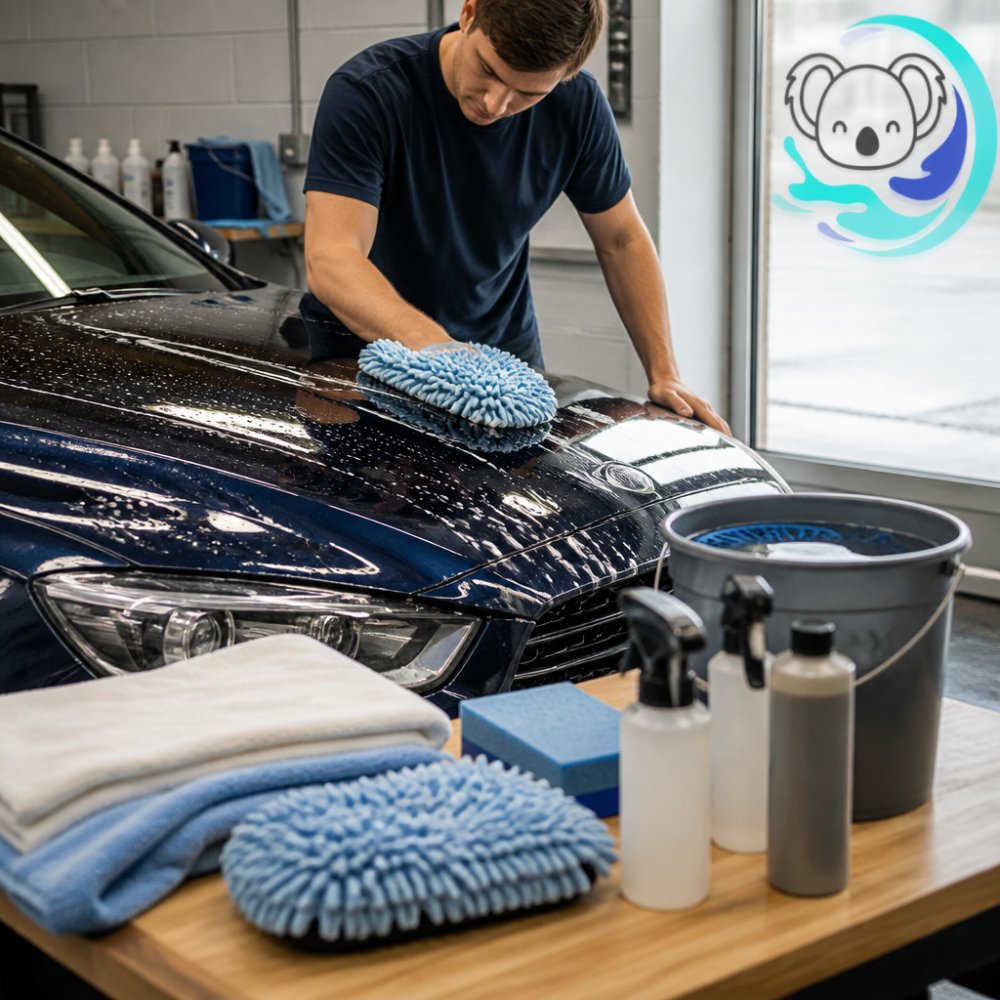
The entire process takes 30-45 minutes for a typical sedan, depending on how dirty your vehicle is. It's labor-intensive, but it's the most controlled way to clean your paint without risk.
Touchless Car Wash Pros and Cons
Touchless automatic car wash systems represent a middle ground between traditional brushes and hand washing. They use high-pressure water jets and cleaning chemicals instead of physical contact to remove dirt and road grime.
Pros:
- No brush contact means no friction-based scratches or swirl marks
- Consistent, repeatable results every time you wash
- Fast, typically 5-10 minutes from start to finish
- Effective at removing salt buildup, bugs, and stubborn road grime
- Safe for ceramic coatings and delicate paint finishes
- Available 24 hours, which matters if you have an unpredictable schedule
Cons:
- Higher water pressure can be harsh on older or compromised paint
- May not clean as thoroughly as hand washing in tight areas (door jambs, wheel wells)
- Relies on chemical solutions that vary in quality between providers
- Recurring cost if you wash frequently, though membership passes make this more affordable
Touchless systems eliminate the primary damage mechanism of brush washes: direct contact. However, they're not risk-free. The high-pressure water can damage weatherstripping, seals, or already-compromised clear coats if the system isn't properly calibrated.
The chemistry matters too. Lower-quality automatic washes use harsh detergents that can strip wax or protective coatings over time. Premium touchless systems use gentler, professional-grade cleaning products designed to clean effectively without damaging your paint's protective layers.
Best Way to Wash a Car With Ceramic Coating
Ceramic coatings create a hard, hydrophobic layer on your paint that requires different washing approaches than uncoated paint. The coating itself is durable, but improper washing can degrade it prematurely or leave water spots and residue.
The safest method for ceramic-coated vehicles is touchless automatic car wash using professional-grade, pH-neutral cleaning solutions. Touchless systems avoid the contact friction that could damage the coating, and the high-pressure rinse removes soap residue completely.
If you hand wash a ceramic-coated car, follow these guidelines:
- Use pH-neutral soap specifically formulated for ceramic coatings
- Avoid aggressive scrubbing, ceramic coatings are hard but can be scratched by abrasive contact
- Rinse thoroughly to prevent soap residue from damaging the hydrophobic properties
- Dry completely to avoid water spots that can etch the coating
The hydrophobic properties of ceramic coatings mean water beads and rolls off rather than sheeting across the surface. This actually makes drying easier, fewer water spots form naturally.
Join our Koala Club for a FREE wash →
Many owners of ceramic-coated vehicles wash more frequently with touchless systems than they would with hand washing. The convenience and safety combination makes regular maintenance easier, which extends the coating's lifespan and keeps your paint looking pristine.
Cleaning Power and Finish Quality Compared
Hand washing delivers superior cleaning in most scenarios because you can target specific areas and apply extra attention where needed. You can scrub your wheels thoroughly, clean between trim pieces, and remove stubborn bug splatter or tree sap that automatic systems might miss.
However, automatic washes clean more consistently. Every vehicle receives the same water pressure, soap concentration, and rinse duration. There's no variability based on human effort or technique. This consistency means predictable results, your paint looks the same after every wash.
Touchless automatic systems fall between the two in terms of raw cleaning power. They excel at removing loose dirt, road grime, and salt buildup (What Car Wash Features Do You Really Need?).
The finish quality after washing also differs. Hand-washed vehicles can achieve a streak-free, spot-free result if dried properly with high-quality microfiber towels.
| Washing Method | Cleaning Power | Paint Safety | Time Required | Consistency | Best For |
|---|---|---|---|---|---|
| Hand Wash | Excellent | Excellent (if done correctly) | 30-45 minutes | Variable | Heavily soiled vehicles, ceramic coatings, meticulous owners |
| Touchless Automatic | Good | Excellent | 5-10 minutes | Excellent | Regular maintenance, daily drivers, busy schedules |
| Brush Automatic | Excellent | Poor | 5-10 minutes | Excellent | Budget-conscious owners willing to accept paint risk |
Convenience, Cost, and Long-Term Paint Protection
The practical reality for most vehicle owners is that convenience drives wash frequency. If washing your car is easy and affordable, you'll do it regularly.
Hand washing is the least convenient option. It requires 30-45 minutes of active work, access to water and a hose, and decent weather.
Touchless automatic washes remove this barrier. You can wash your vehicle in 5-10 minutes, 24 hours a day, regardless of weather. This makes frequent washing practical.
Cost varies significantly. Hand washing costs nothing beyond equipment and water. Touchless automatic washes typically charge per visit, though monthly membership passes make frequent washing affordable.
Long-term paint protection depends on consistency more than method. A vehicle washed weekly with touchless automatic systems will have healthier paint than a vehicle hand-washed quarterly.
For ceramic-coated vehicles especially, regular touchless washing is the ideal maintenance strategy. The coating itself provides protection, but it only works if your paint stays clean.
Conclusion: Choosing the Right Wash Method for Your Vehicle
The best automatic car wash vs hand wash choice depends on your priorities. If you have time, patience, and meticulous technique, hand washing offers maximum control and safety. If you value convenience and consistency, and want to actually wash your vehicle regularly, touchless automatic systems deliver superior long-term paint protection.
The worst choice is infrequent washing with either method. Dirt and contaminants damage your paint far more than the washing process itself. Regular maintenance with a safe method beats occasional perfect washing every time.
Our touchless system combines the safety of no-contact washing with the convenience of 24-hour availability. We use professional-grade cleaning solutions that remove road grime, salt, and everyday buildup without harsh detergents that strip protective coatings.
Visit Touchless Car Wash to discover how regular, convenient washing keeps your vehicle looking pristine. Join our Koala Club for exclusive member benefits and get started with your first touchless wash today.
Frequently Asked Questions
Are touchless car washes better for your paint than brush-based automatic washes?
Touchless car washes eliminate friction between brushes and your paint surface, significantly reducing the risk of micro-scratches and swirl marks. They use pressurized water and cleaning chemicals instead of physical contact. However, touchless systems may require stronger detergents to remove stubborn dirt and road grime. For newer vehicles with ceramic coatings or clear coat finishes, touchless technology offers better long-term paint protection by avoiding the abrasive contact that brush-based automatic car washes create.
Can hand washing scratch a car's paint if done incorrectly?
Yes. Hand washing causes scratches when you use the wrong tools, dirty water, or improper technique. The most common mistakes include using regular sponges (which trap abrasive particles), reusing dirty wash water, and scrubbing instead of gently wiping. To avoid damage, use a soft microfiber wash mitt, change your water frequently, rinse the mitt between sections, and let the soapy water do the work rather than applying pressure. Hand washing done correctly is one of the safest methods for protecting your vehicle's paint condition.
Is it safe to wash a ceramic-coated car at a touchless car wash?
Touchless car washes are generally safe for ceramic coatings because they avoid the friction and brush contact that can compromise the coating's integrity. However, the chemicals used matter. Some harsh detergents can strip protective coatings over time. Look for touchless systems that use pH-balanced, professional-grade cleaning products designed to preserve ceramic coatings. Always verify with the wash facility that their chemicals are compatible with your specific coating type before your first visit.
Which method is faster: automatic car wash or hand washing?
Automatic car washes are significantly faster, typically completing a full wash in 3-5 minutes. Hand washing takes 20-45 minutes depending on your vehicle's size and how thoroughly you clean. For busy professionals and daily drivers dealing with road grime and salt buildup, automatic methods save substantial time. Touchless automatic systems combine speed with paint protection, making them ideal for those who need convenience without sacrificing your vehicle's finish quality.
Protecting your car's paint doesn't require choosing between convenience and safety. Touchless automatic car wash eliminates the friction that damages paint while delivering the consistency and speed that fits modern life. With our 24-hour access, professional-grade cleaning solutions, and affordable monthly memberships, you can maintain your vehicle's finish without compromise. Get started with Touchless Car Wash and experience the difference that 13 years of industry expertise makes.