 blog
Touchless vs Brush Car Wash: Which Protects Your Paint
Last Updated: October 23, 2026
Quick Summary
Touchless vs brush car wash comes down to paint protection versus cleaning power. Touchless systems use high-pressure water and chemicals to clean without contact, eliminating swirl marks and scratches, while brush washes physically scrub away stubborn dirt but risk friction damage over time. For most vehicle owners, especially those with newer cars or ceramic coatings, touchless washing provides better long-term paint protection.
- Touchless systems create no friction, preventing swirl marks and microscopic scratches that accumulate with repeated brush contact.
- Brush washes excel at removing heavy, stubborn dirt like caked mud and salt buildup faster than touchless systems.
- Ceramic coatings require touchless washing to preserve their hydrophobic properties and protective benefits.
- Regular weekly or bi-weekly washing with touchless prevents heavy dirt buildup before it becomes stubborn.
- Brush systems can trap dirt between washes, risking cross-contamination between vehicles.
Table of Contents
- Touchless Car Wash Pros and Cons
- Brush Car Wash Pros and Cons
- Are Touchless Car Washes Safe for Paint
- Do Touchless Car Washes Clean as Well as Brush Washes
- Touchless vs Brush: Cleaning Effectiveness on Stubborn Dirt
- Choosing the Right Wash for Your Vehicle Condition
- Frequently Asked Questions
Touchless Car Wash Pros and Cons
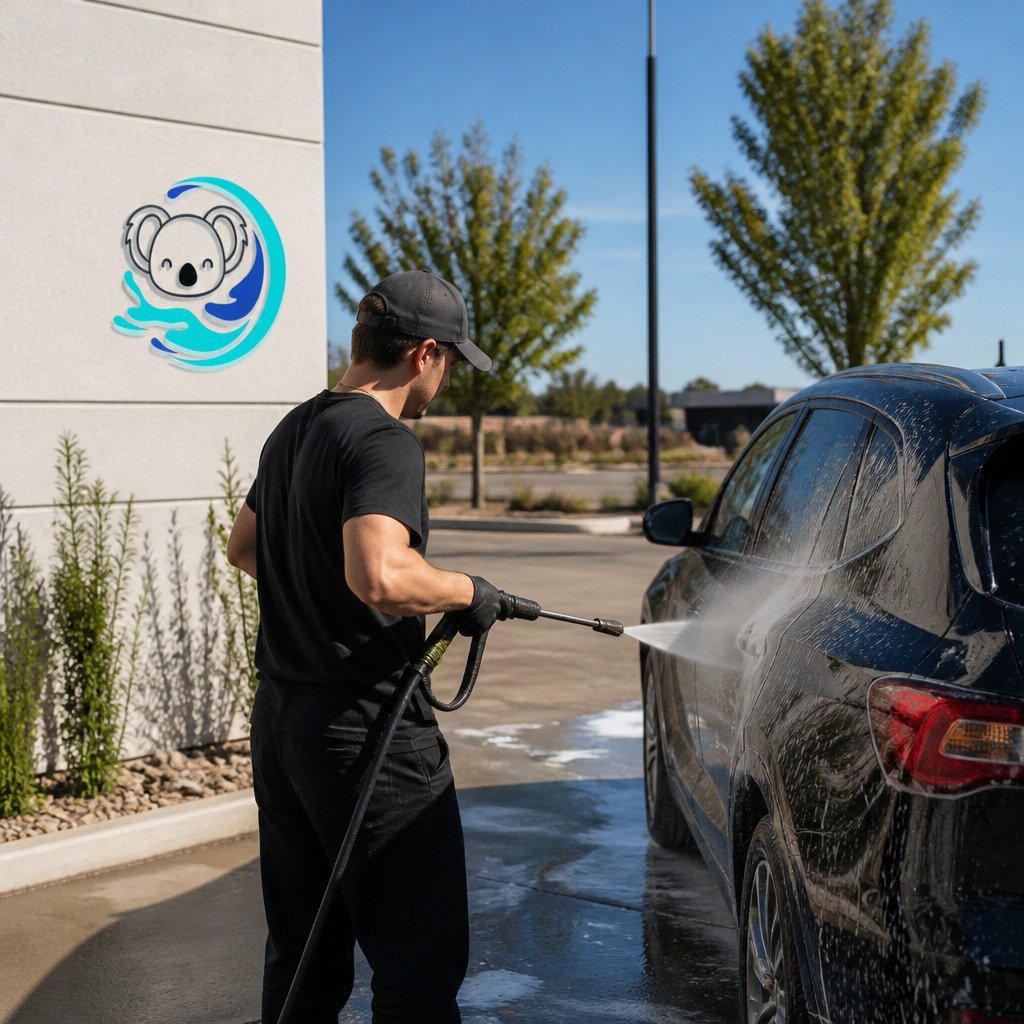
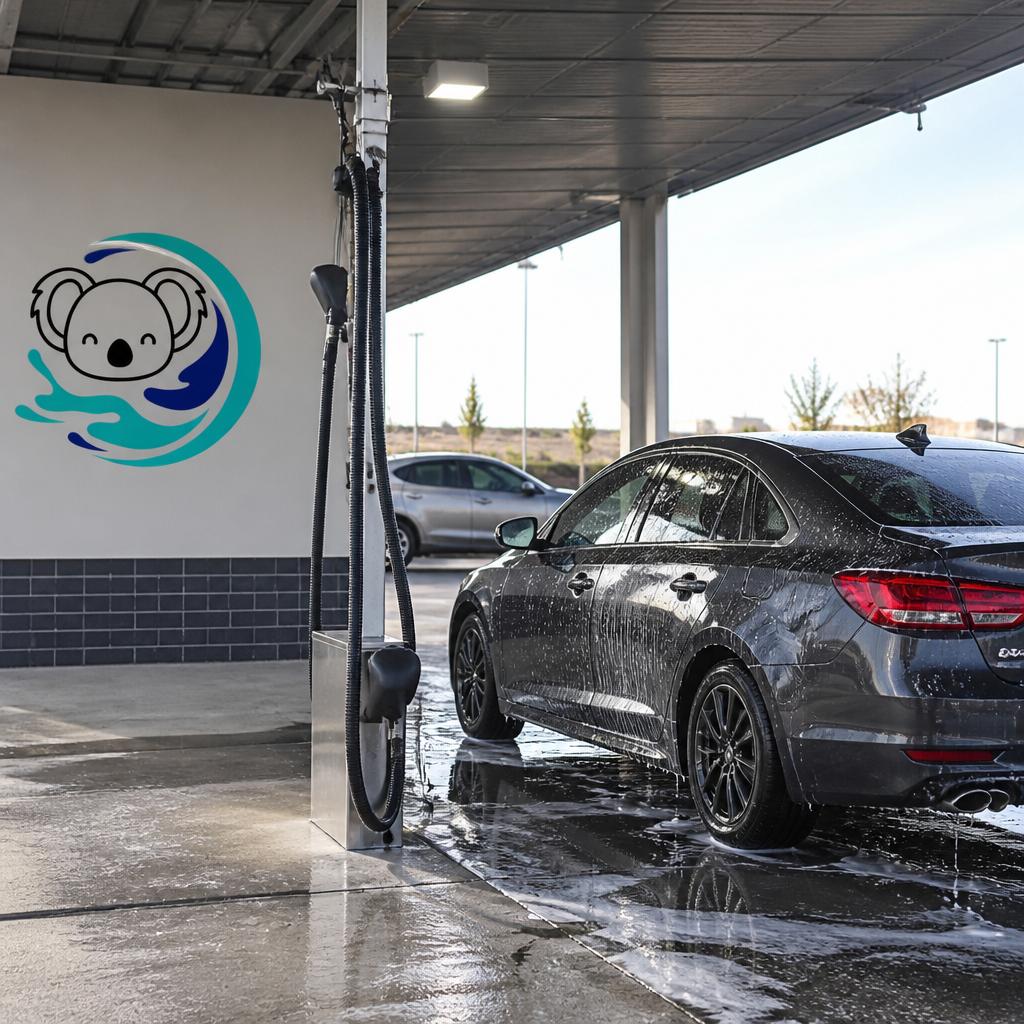
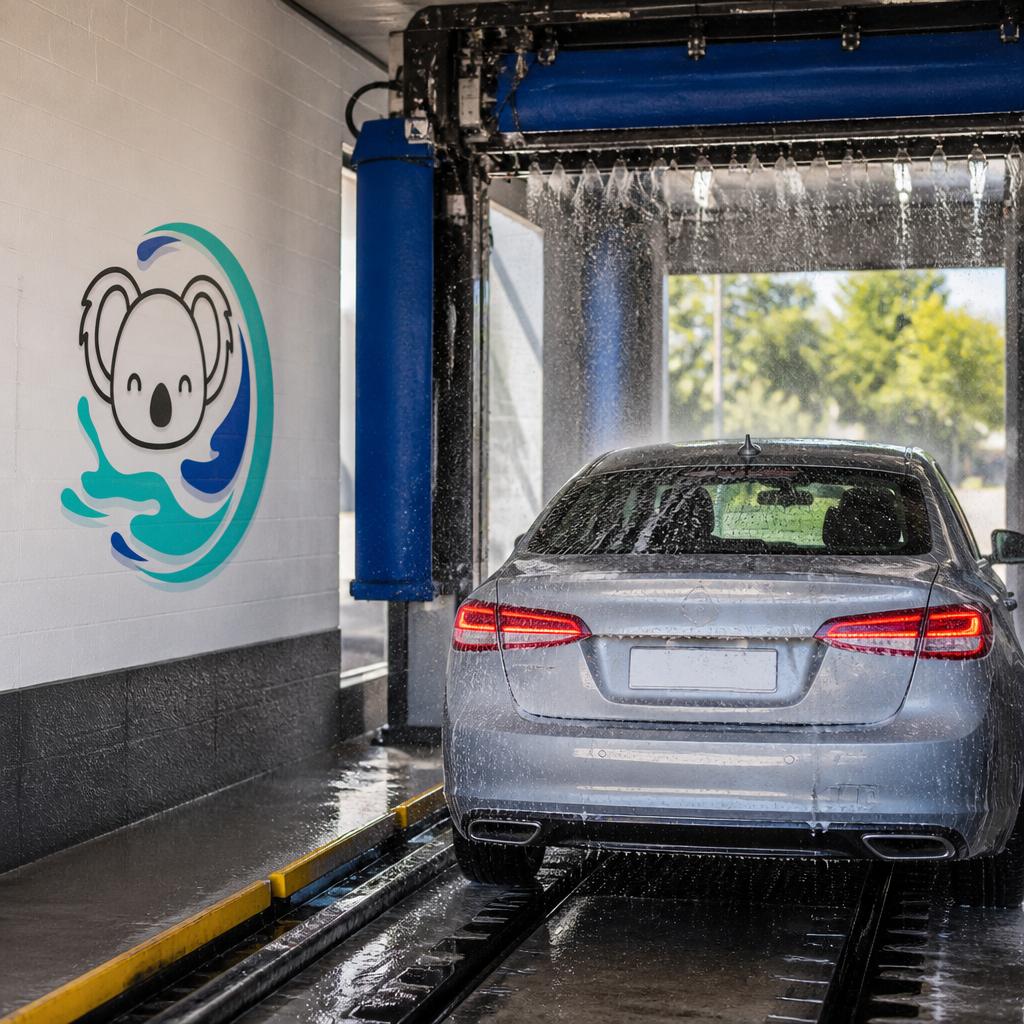
A touchless car wash uses high-pressure water jets and professional-grade cleaning chemicals to remove dirt without any brushes, cloth, or foam applicators making contact with your vehicle's paint, which is the core distinction in touchless vs brush car wash systems.
The biggest advantage of a touchless wash is simple: nothing touches your car. No brushes means no friction, no swirl marks, and no microscopic scratches that compound over time. For owners of newer vehicles, luxury cars, or vehicles with ceramic coatings, this matters enormously. Your paint stays pristine.
Speed is another real benefit. If you're a busy professional or you work irregular hours, the convenience factor is huge. Many touchless facilities operate 24 hours, which means you can wash your car at 2 AM if that's when your schedule allows.
The downside? Touchless systems rely heavily on detergents and cleaning chemicals to break down stubborn dirt. This means stronger chemical formulations are necessary, especially for heavy road grime, salt buildup, or bug residue. If you have concerns about chemical exposure to your paint, this is worth considering. The chemicals are rinsed away completely, but they're still part of the process.
Cost can also be a consideration, though membership options like our Koala Wash Passes help offset that expense for frequent washers.
Brush Car Wash Pros and Cons
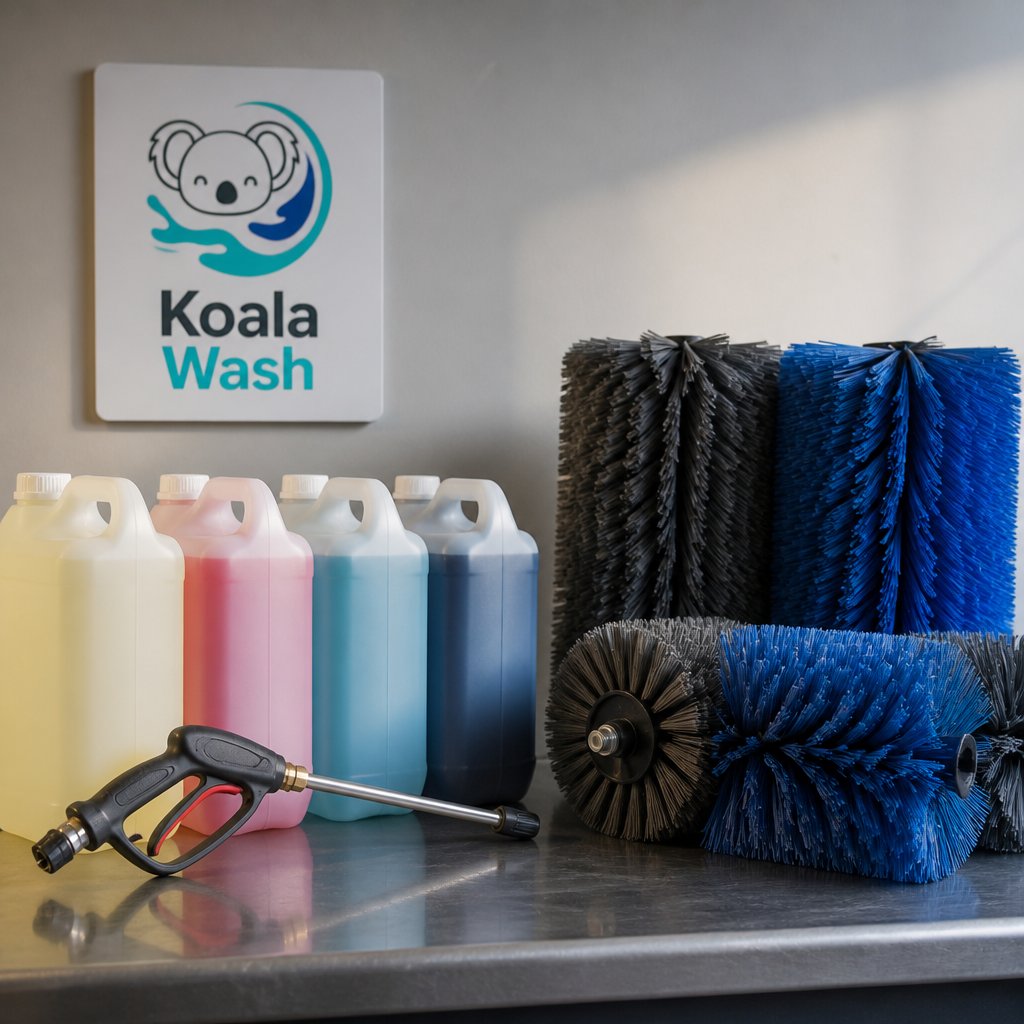
A brush car wash uses rotating brushes, soft cloth applicators, or foam applicators that make direct contact with your vehicle's surface. These systems have been around for decades because they excel at one thing: physically removing stubborn dirt through friction.
The primary advantage is cleaning power. Brushes and cloth applicators can agitate and lift dirt that water pressure alone might miss. If your car is covered in caked-on mud, heavy salt residue from winter driving, or dried bug splatter, a brush wash will get it cleaner faster. The physical contact means nothing gets left behind.
Cost is another draw. If you're on a tight budget and only wash your car a few times a year, a lower price point is appealing.
Here's where the trade-offs get real: brush contact creates friction, and friction causes damage. Even the softest cloth applicators can leave swirl marks and fine scratches on clear coat over time. These aren't always visible immediately, but they accumulate.
The risk increases with older or lower-quality brush systems. Newer soft-touch systems have improved, but they still involve contact. For vehicles with premium paint finishes or ceramic coatings, this is a genuine concern.
Another consideration: brush systems can trap dirt and grime between washes. That means the same brushes that cleaned someone's muddy truck might touch your clean sedan next. Cross-contamination is possible, though reputable facilities clean their brushes regularly.
Are Touchless Car Washes Safe for Paint
Yes, touchless car washes are safe for paint when properly maintained and operated. Because no physical contact occurs between applicators and your vehicle's surface, there's no friction to create swirl marks or scratches. This is why many luxury car owners and ceramic-coated vehicle owners choose touchless systems.
The real question isn't whether the system is safe, but whether the chemicals used are appropriate for your specific paint or coating. Professional touchless systems use pH-balanced detergents designed to clean effectively without damaging clear coat.
Join our Koala Club for a FREE wash →
If you have a ceramic coating on your vehicle, touchless washing is actually the preferred method. Ceramic coatings create a hydrophobic barrier on your paint, and that barrier works best when it's not subjected to abrasive friction. A touchless wash preserves the coating's protective properties and maintains its water-beading performance.
One concern some owners raise: will strong chemicals strip or damage my paint? The answer depends on dwell time and concentration. Professional touchless systems apply chemicals, allow them to sit briefly to break down contaminants, then rinse thoroughly with high-pressure water.
For newer vehicles with modern clear coat technology, touchless systems pose virtually no risk. For classic or vintage cars with older paint finishes, you might want to hand wash or use a professional detailing service, but that's more about the age of the paint than the touchless method itself.
Do Touchless Car Washes Clean as Well as Brush Washes
This is where the comparison gets nuanced. Touchless systems clean effectively for routine maintenance, but they approach cleaning differently than brush systems.
For everyday dirt, dust, and light contamination, touchless washes perform excellently. High-pressure water jets combined with detergents handle normal road grime, pollen, and light dust without any problem.
The difference becomes apparent with heavy contamination. If your car has been parked for weeks without washing, has thick mud caked on, or has heavy salt buildup from winter roads, a brush system will typically clean more aggressively.
However, modern touchless systems have improved significantly. Better chemical formulations, longer dwell times (the time chemicals sit on the surface before rinsing), and higher-pressure jets have closed much of the gap. Many professional touchless facilities now clean effectively for most real-world scenarios.
The key variable is how often you wash. Regular washing prevents heavy buildup. If you maintain a routine, a touchless system keeps your car clean without the risk of damage. If you let dirt accumulate for extended periods, a brush system might be necessary to restore cleanliness.
Think of it this way: touchless systems excel at maintenance cleaning. Brush systems excel at deep cleaning heavily soiled vehicles. For most owners who wash regularly, touchless provides the cleaning you need with better paint protection.
Touchless vs Brush: Cleaning Effectiveness on Stubborn Dirt
Road salt, bug splatter, tree sap, and dried mud represent the real test of any car wash system. These stubborn contaminants require either aggressive chemical action or physical friction to remove.
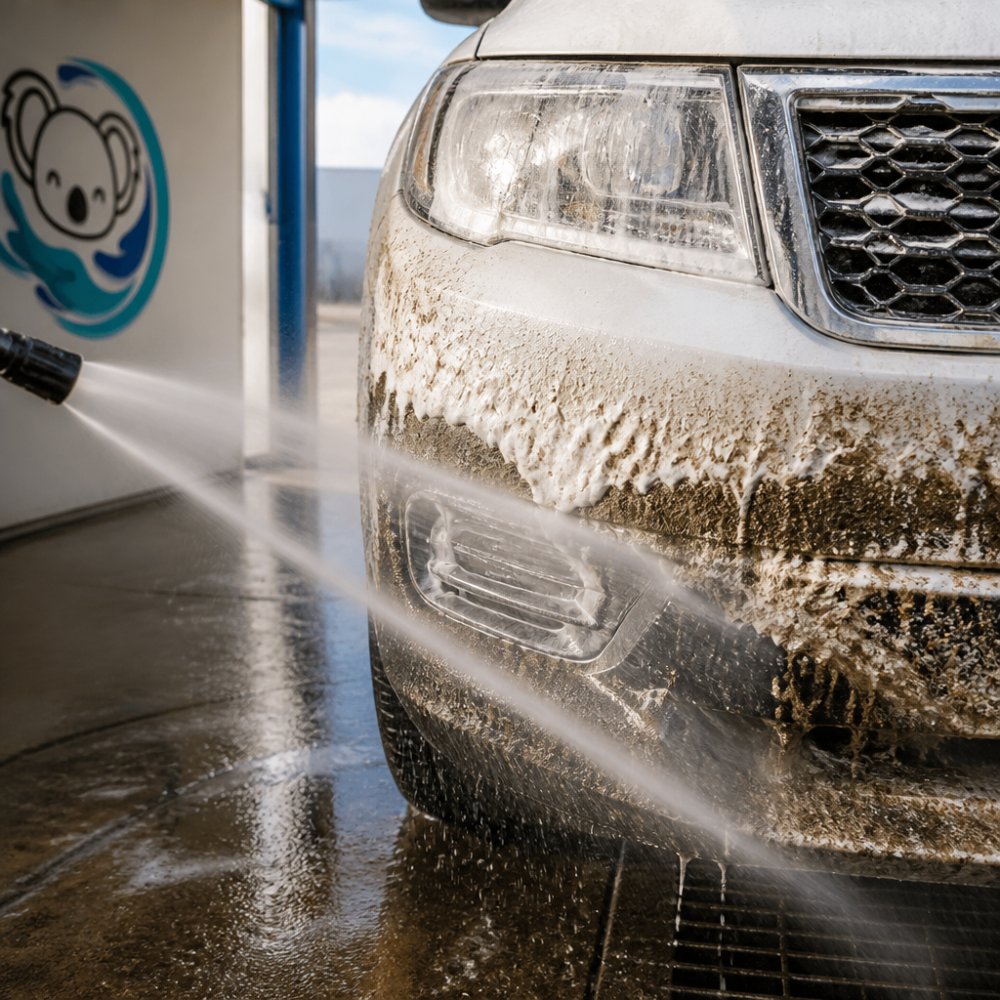
Touchless systems tackle stubborn dirt through chemistry. Pre-soak chemicals are applied first, allowing them to break down and loosen contaminants. Then high-pressure water jets rinse away the loosened material. For salt buildup and bug splatter, this approach works well.
Brush systems use friction. The physical agitation of brushes or cloth applicators scrubs away stubborn dirt. For heavily caked mud or thick salt deposits, brushes can be more immediately effective. One pass of a brush can remove what might take multiple chemical applications in a touchless system.
The practical difference matters most in winter climates where road salt is heavy. A touchless system handles salt buildup effectively, but it requires adequate dwell time for chemicals to work. A quality touchless facility applies pre-soak chemicals, then rinses. This removes salt effectively.
For bug splatter and tree sap, touchless systems perform well because these contaminants are organic and respond to chemical breakdown. Brushes also work, but they risk spreading the residue across your paint before it's fully dissolved.
The real-world takeaway: if you live in an area with heavy winter salt, washing every 7-10 days with a touchless system keeps salt from accumulating to stubborn levels. If you wash less frequently and salt builds up heavily, a brush system might be more efficient. Regular maintenance with touchless prevents the stubborn buildup problem from developing in the first place.
Join our Koala Club for a FREE wash →
Touchless systems are best for owners who wash regularly (weekly or bi-weekly) in any climate. Brush systems become more relevant for owners in heavy salt regions who wash less frequently and deal with heavy accumulation.
Choosing the Right Wash for Your Vehicle Condition
Your vehicle's age, paint condition, and current finish all affect which wash method makes the most sense.
New vehicles with factory paint: Stick with touchless. Factory clear coat is durable, but why introduce unnecessary friction? A touchless system keeps new paint looking showroom-fresh.
Vehicles with ceramic coatings: Touchless only. Ceramic coatings are investments in long-term protection. Brush contact can wear down the coating's hydrophobic properties and reduce its lifespan.
Older vehicles with worn paint: Hand washing or professional detailing is safer than either automatic system. If you must choose an automatic system, touchless is still preferable to brushes.
Luxury or high-end vehicles: Touchless is the standard choice. Paint on luxury vehicles is often thicker and higher quality, but that doesn't mean you should expose it to unnecessary friction.
Daily drivers with heavy use: If your car accumulates heavy salt, mud, or grime regularly, a touchless system with good chemical formulations handles the job well when used frequently.
Vehicles in coastal areas with salt spray: Touchless is preferable. Salt spray requires frequent washing, and touchless systems handle salt removal effectively without the friction damage that brush systems introduce.
The decision ultimately comes down to this: if your paint is something you want to protect long-term, touchless is the better choice.
| Vehicle Type | Best Choice | Why |
|---|---|---|
| New cars | Touchless | Protects factory finish |
| Ceramic coated | Touchless | Preserves coating protection |
| Luxury vehicles | Touchless | Maintains premium paint quality |
| Daily drivers | Touchless | Regular use prevents heavy buildup |
| Older vehicles | Hand wash | Avoid automatic systems if possible |
| Budget-conscious | Brush (occasional) | Cost savings if used infrequently |
When deciding between touchless vs brush car wash, the choice comes down to what you value most: paint protection or aggressive cleaning power.
At Touchless Car Wash, we've built our service around this principle because we believe your vehicle's appearance matters. With flexible wash passes, 24-hour access, and free vacuums and detail stations, we make it easy to maintain your vehicle's finish without the risk of brush damage. Join our Koala Club for a FREE wash and experience the difference touchless cleaning makes.
Frequently Asked Questions
Will a touchless car wash damage my ceramic coating?
No. Touchless car washes use high-pressure water and professional-grade detergents instead of physical contact, making them safe for ceramic coatings and paint finishes. The water pressure and chemical dwell time remove dirt without the friction that brushes create. This method is ideal for newer vehicles with ceramic coatings, as it protects the protective layer while cleaning effectively.
Do touchless car washes actually remove road salt and stubborn dirt?
Yes, touchless washes can handle road salt and stubborn buildup, but effectiveness depends on the system's water pressure and pre-soak time. High-pressure spray jets combined with chemical dwell time break down salt deposits and grime. For heavily contaminated vehicles, a pre-soak cycle allows detergents to work longer on stubborn dirt before rinsing, making touchless systems effective even in harsh winter conditions.
Can a brush car wash scratch my paint?
Brush and soft-touch car washes carry a higher risk of creating swirl marks and scratches, especially on darker paint colors where they're more visible. The friction from cloth applicators, foam applicators, and brushes can cause abrasion over time. This risk increases if the brushes aren't properly maintained or if your vehicle already has surface contamination that acts as an abrasive during contact washing.
How often should I wash my car to maintain its paint finish?
Routine maintenance typically means washing every two weeks, though this varies by local conditions. In areas with road salt, salty streets, and heavy environmental buildup, weekly washing helps prevent paint damage. Touchless wash systems make frequent washing convenient and affordable through monthly memberships, allowing you to maintain your vehicle's finish without worry about contact-related scratches or damage.