 blog
Touchless Car Wash in Omaha: Guide to Local Options
Table of Contents
- What Makes Touchless Car Wash Different
- Touchless Car Wash Options Available Locally
- Touchless Car Wash Prices and Membership Plans
- Car Wash for Road Salt and Winter Buildup
- Touchless Car Wash in Cold Weather Performance
- Touchless Car Wash Reviews and Paint Protection
- Is Touchless Wash Right for Your Vehicle
- Frequently Asked Questions
Last Updated: October 14, 2026
What Makes Touchless Car Wash Different
A touchless car wash omaha in Nebraska uses high-pressure water jets and professional-grade cleaning solutions to remove dirt, grime, salt, and buildup without brushes or cloth touching your paint.
Brush-based systems can leave swirl marks and micro-scratches over time; touchless systems eliminate that risk. At Koala Wash, powerful water pressure and chemistry do the cleaning work, not abrasive contact.
Touchless systems excel at removing loose dirt, road salt, and everyday grime, and they're gentler on ceramic coatings and newer paint.
Touchless technology has improved substantially over the past decade. Modern systems use multiple spray angles, heated water, and advanced chemistry, genuinely different from what you may have tried years ago.
Touchless Car Wash Options Available Locally
Most facilities in the metro combine automatic touchless bays, self-serve stations, and vacuum or detail areas. The list below is organized by side of town so you can match a wash to your commute.
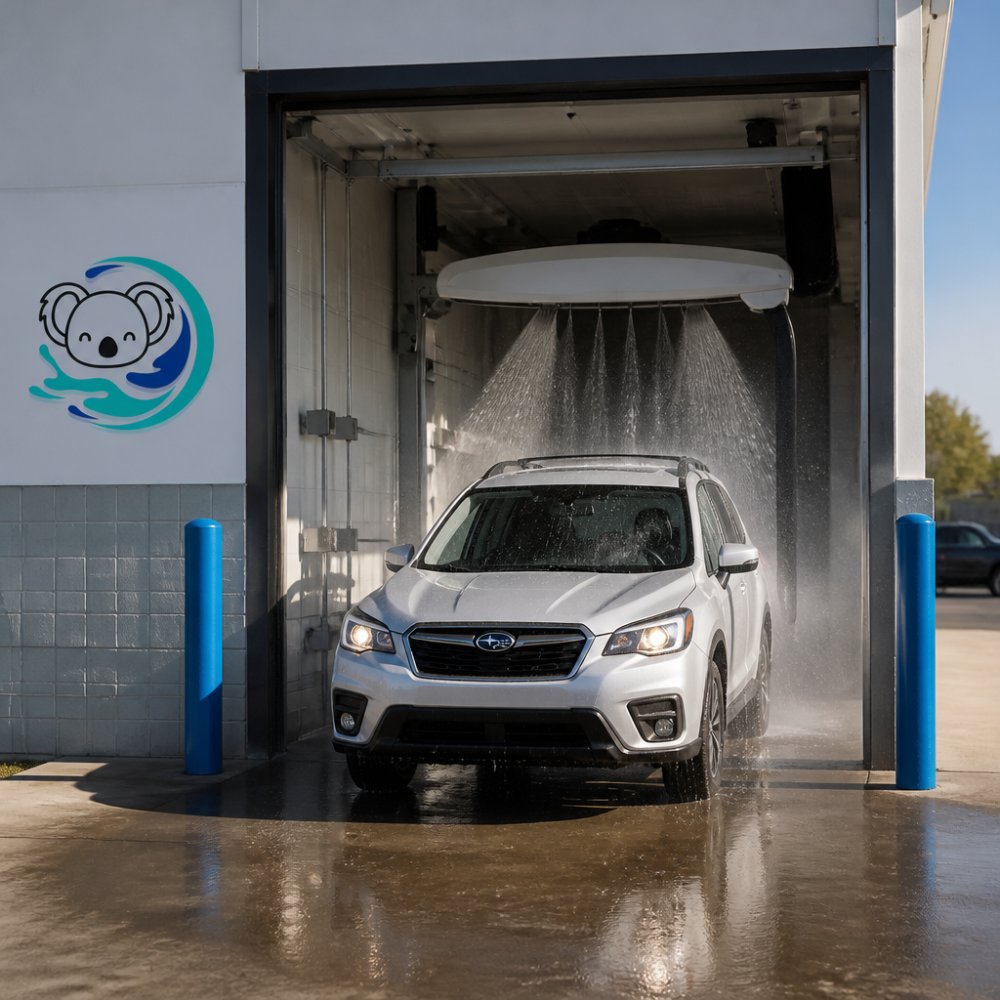
Automatic Wash Bays and Self-Serve Stations
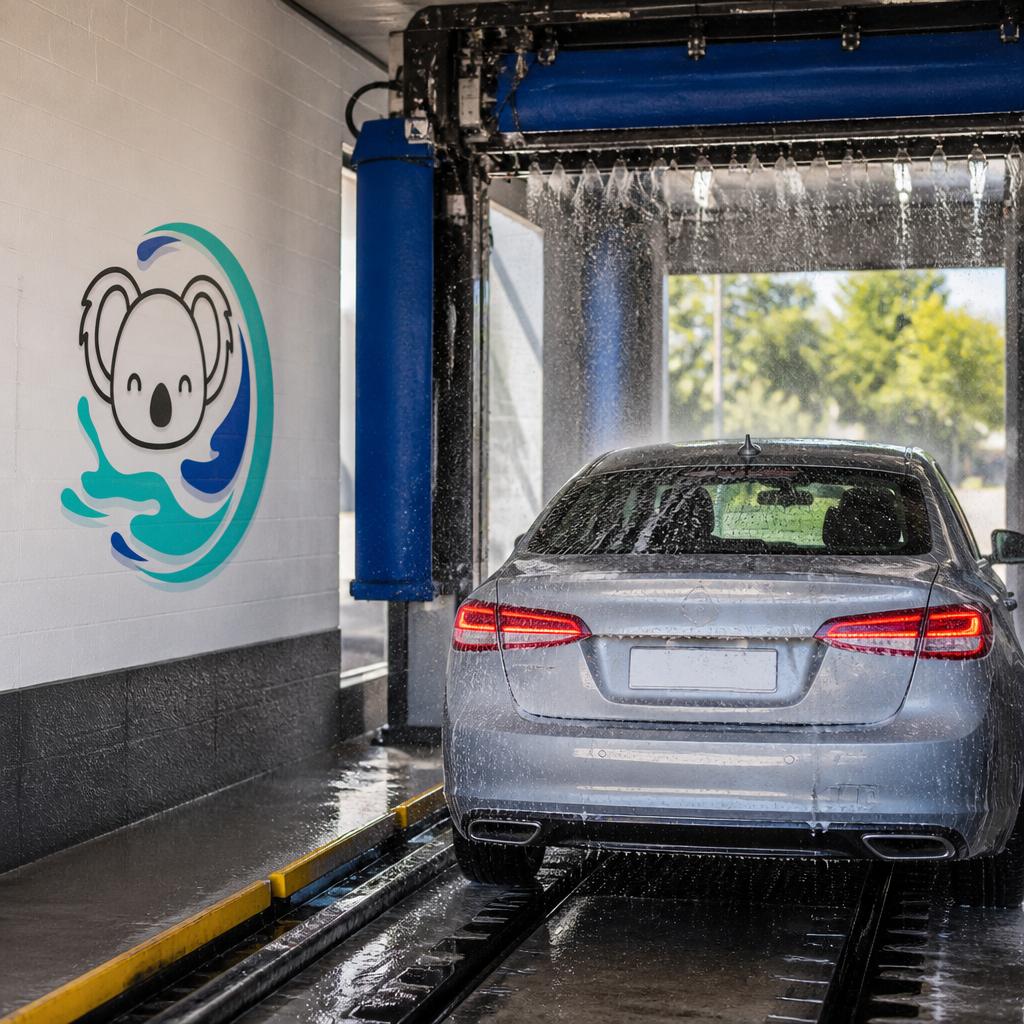
Automatic touchless bays are the fastest option: you stay in your vehicle while the equipment applies pre-soak, high-pressure water, cleaning solution, rinse, and a spot-free final rinse in roughly 3-5 minutes.
Self-serve bays put the wand in your hand, letting you control pressure, angle, and dwell time, typically 5-10 minutes. They're better for caked mud, heavy winter salt, or wheel wells needing focused attention.
A practical pattern: automatic touchless for routine weekday maintenance, self-serve for seasonal deep cleans. Before committing to a site, confirm the automatic bay is genuinely touchless and can accommodate your vehicle's height and width, lifted trucks, full-size vans, and dually pickups sometimes exceed older bays' clearance.
24-Hour Access and Operating Hours
A true 24-hour touchless wash lets you pull in at 2 AM, valuable for shift workers, delivery and rideshare drivers, and late travelers.
Not every facility advertising 24-hour service is staffed that way. Common configurations include:
- Unattended, card-accessible bays, open around the clock, payment by credit card or app, no attendant on site.
- Attended peak hours only, a staffed window during busy periods, with self-pay kiosks after hours.
- Membership-gated after-hours access, some sites require an active plan or a gate code to enter overnight.
Before relying on a late-night wash, verify the hours and whether after-hours entry requires pre-registration, a quick call saves a wasted trip.
Free Vacuums and Detail Stations
Free vacuums are common at full-service sites, but quality varies, some run shop-grade units with strong suction, others are lighter-duty and slower on floor mats and cargo.
Detail stations go further, typically stocking window cleaner, trim and dash protectant, and all-purpose cleaner so you can finish exterior and interior in one stop.
When comparing sites, check three details: whether vacuums are truly free with a wash, whether the bays are covered (important in winter), and whether the detail station is stocked during your planned hours.
Neighborhood and Suburb Coverage
Because equipment changes, bays get converted, sites close for renovation, confirm touchless status directly with the location before you go.
Payment, Vehicle Limits, and Accessibility
Payment methods vary: credit and debit cards at the kiosk, mobile app payment tied to a membership, cash at an attended window, and prepaid wash codes. If you rely on a fleet card or a particular app, confirm it's accepted before you arrive.
Vehicle-size limits are posted at most automatic bay entrances as maximum height and width. Oversized vehicles, roof racks, and aftermarket accessories can exceed them, when in doubt, use a self-serve bay, which has no automated clearance restriction.
Join our Koala Club for a FREE wash →
Accessibility matters too. Look for wide, well-lit entrances for larger vehicles and trailers; ground-level vacuum and detail areas reachable without stairs; and winter maintenance, plowed, salted aprons so you're not navigating ice.
Touchless Car Wash Prices and Membership Plans
Koala Wash offers both pay-per-wash and monthly memberships; which works depends on how often you wash.
Monthly memberships typically include a set number of washes per month. Wash weekly and a membership saves money; wash once or twice a month and pay-per-wash may be cheaper.
Koala Wash offers three membership tiers: Clean Pass, Shine Pass, and Protect Pass. Each includes up to 15 washes per month. The specific features and pricing for each tier are available on our website.
This structure rewards frequent washers and families, who can consolidate billing and track washes across multiple cars on one account.
Car Wash for Road Salt and Winter Buildup
Road salt accelerates rust on undercarriages and corrodes paint and trim. Removing it regularly during winter and spring is essential if you want your vehicle to last.
Touchless systems handle salt buildup effectively because high-pressure water removes deposits without aggressive scrubbing. Koala Wash offers an undercarriage wash targeting the underside, where salt accumulates most heavily.
Frequency matters: in heavy salt areas, washing every 1-2 weeks during winter prevents damage better than monthly washes, and a monthly membership makes that affordable. Without regular washing, corrosion spreads, coatings fail, and repair costs climb.
Touchless Car Wash in Cold Weather Performance
Does the wash still work below freezing, and does winter washing help or just add ice? Modern touchless systems are built for cold, and winter is precisely when a touchless wash earns its keep.
How Touchless Systems Handle Freezing Temperatures
Touchless equipment heats the wash water well above ambient temperature, melting light ice and snow on contact and keeping the cleaning chemistry active. The final spot-free rinse uses deionized water plus a drying agent that helps water sheet off rather than bead and freeze.
That rinse stage matters most in a cold climate, since standing water is what freezes on windows, mirrors, and trim. A good spot-free rinse plus a short drive to let airflow finish the job is the standard routine.
One limitation: a vehicle parked outside overnight in extreme cold can experience thermal stress from the temperature difference between heated water and a very cold surface. This is uncommon and affects only the most extreme conditions; for normal winter weather, touchless systems run reliably.
Road Salt, Undercarriage Wash, and Winter Cadence
Road salt is the real winter threat, accelerating rust on undercarriages and corroding paint, trim, and brake components. Touchless systems handle it well because high-pressure water lifts deposits without scrubbing, and many sites offer an undercarriage wash targeting the underside.
A practical winter cadence:
- Every 1-2 weeks during active salt season, frequent enough to prevent salt from bonding and compounding.
- Add the undercarriage option, especially after a storm or long highway drive.
- Wash after the roads dry when possible, washing while salt trucks are active means re-coating the vehicle on the drive home.
A monthly membership makes the 1-2 week cadence affordable rather than a per-wash decision.
Weather-Related Closures and Winter Access
Cold weather can affect operations in ways a website won't show:
- Frozen or iced-over aprons and entrances, a site may close until the lot is cleared and salted.
- Equipment freeze protection, some systems cycle or shut down in extreme cold to protect lines and pumps.
- Reduced hours, unattended sites may stay open, but attended windows can close early in a storm.
Before heading out in a storm, call or check the site's posted status. Favor sites with plowed, salted aprons and covered vacuum or detail areas, easier and safer in winter gear.
Vehicle Size, Clearance, and Winter Accessibility
Winter is when vehicle-size limits matter most: snow and ice on a roof rack, lifted suspension, or loaded bed can push a vehicle past a bay's posted height or width. Two habits help:
Join our Koala Club for a FREE wash →
- Clear snow and ice from the roof and bed before entering an automatic bay, it protects the equipment and prevents a clearance surprise.
- Know your vehicle's real height with accessories installed, and compare it to the posted limit.
If you're near or over the limit, a self-serve bay has no automated clearance restriction and lets you direct the spray, often the more reliable winter option for oversized vehicles.
When Touchless Is the Better Winter Choice
For most drivers, touchless is the safer winter option: no brush contact drags grit across a salt-and-sand-covered finish, and heated water plus undercarriage spray address winter's two threats, salt and ice. The trade-off, touchless may not strip heavy, baked-on grime as aggressively as soft-touch, is usually a non-issue when the goal is frequent salt removal, not deep restoration.
For heavy caked mud or months of neglect, a self-serve pre-soak followed by an automatic touchless cycle is a practical two-step approach. For routine winter maintenance, a touchless wash every week or two with the undercarriage option protects the finish and underside through the season.
Touchless Car Wash Reviews and Paint Protection
Customer reviews reveal what actually works versus what marketing claims. Look for feedback on wash quality, equipment reliability, and whether the facility stays clean and well-maintained.
Paint protection is a common concern, especially for newer vehicles with ceramic coatings.
Cleaning solution quality matters, though: harsh chemicals used excessively can damage some coatings. Koala Wash uses professional-grade cleaning products that are safe for modern finishes, if your vehicle has a ceramic coating, rest assured our facility uses appropriate chemistry.
Consistent positive reviews mentioning paint condition and coating safety are a strong signal; negative reviews citing water spots, residue, or paint damage are red flags worth investigating.
Is Touchless Wash Right for Your Vehicle
Touchless systems work well for most vehicles, with a few exceptions.
Electric vehicles benefit because there's no risk of water entering sensitive electrical components or the charging port area, and no brushes force debris into crevices.
Newer vehicles with factory ceramic coatings or paint protection film are ideal candidates, durable finishes, but investments worth protecting, and touchless washing minimizes damage risk.
Luxury vehicles and recently detailed cars benefit for the same reason: paint condition is a priority, and avoiding physical contact reduces risk.
The bottom line: if your paint condition matters, new, expensive, or recently coated, touchless is the safer choice.
Protecting your vehicle's finish matters, especially in a climate where road salt and winter weather accelerate damage. Visit Koala Wash's website to explore wash passes and join the free Koala Club for exclusive offers and rewards.
| Wash Type | Best For | Time Required | Ideal Frequency |
|---|---|---|---|
| Automatic touchless | Routine maintenance, busy schedules | 3-5 minutes | Weekly or monthly |
| Self-serve bay | Heavy buildup, salt removal, detailed focus | 5-10 minutes | As needed |
| Undercarriage wash | Winter salt damage prevention | Add 2-3 minutes | Every 1-2 weeks in winter |
| Detail station | Interior vacuuming, window/trim cleaning | 5-10 minutes | With each exterior wash |
Frequently Asked Questions
Are touchless car washes safe for ceramic coatings and new paint?
Yes. Touchless car wash systems use high-pressure water and professional-grade cleaning solutions instead of brushes, so they won't scratch ceramic coatings, clear coat, or new paint finishes. The water pressure and chemicals do the cleaning work rather than friction. This makes touchless wash ideal for newer vehicles, luxury cars, and any vehicle with protective coatings you want to preserve.
How much does a touchless car wash cost, and what's included in membership plans?
Pricing depends on the wash package level and membership type you choose. Most local options offer monthly passes with multiple washes included, plus family plans for households with multiple vehicles. Every wash typically includes access to free vacuums and detail stations with cleaning supplies. For current pricing and plan details, visit the car wash's website or contact them directly for a quote that matches your washing frequency.
Will a touchless wash remove road salt and stubborn winter buildup?
Touchless systems use powerful water pressure and pre-soak cleaning solutions specifically designed to break down salt, road grime, and bug residue. The high-pressure spray rinses away loosened debris effectively. For heavy salt buildup, a higher-tier wash package with extended pre-soak time works best. Regular winter washing (every 1-2 weeks) prevents salt from bonding to paint, making each wash more effective.
Can I use a touchless car wash when it's freezing outside?
Yes, touchless car washes operate safely in cold weather. The high-pressure water and heated cleaning solutions work even in freezing temperatures. However, allow extra time for water to drain from crevices before driving, as trapped water can freeze. If temperatures drop below zero, some facilities may limit service. Check operating status with your local wash facility during extreme cold snaps.