 how-to
Touchless Wash Safe for Electric Cars: A Complete Guide
Table of Contents
- Are Touchless Car Washes Safe for Electric Cars?
- Electric Car Charging Port Water Safety
- Using Electric Vehicle Car Wash Mode
- Step-by-Step: How to Prepare Your EV for a Touchless Wash
- Touchless Car Wash Pros and Cons for Electric Vehicles
- Following Your Manufacturer's Washing Instructions
- Frequently Asked Questions
Last Updated: October 12, 2026
Are Touchless Car Washes Safe for Electric Cars?
Yes, touchless wash safe for electric cars is possible when you follow proper preparation steps and manufacturer guidelines.
Modern EVs have sealed electrical systems and protected battery packs designed to handle water exposure during normal washing.
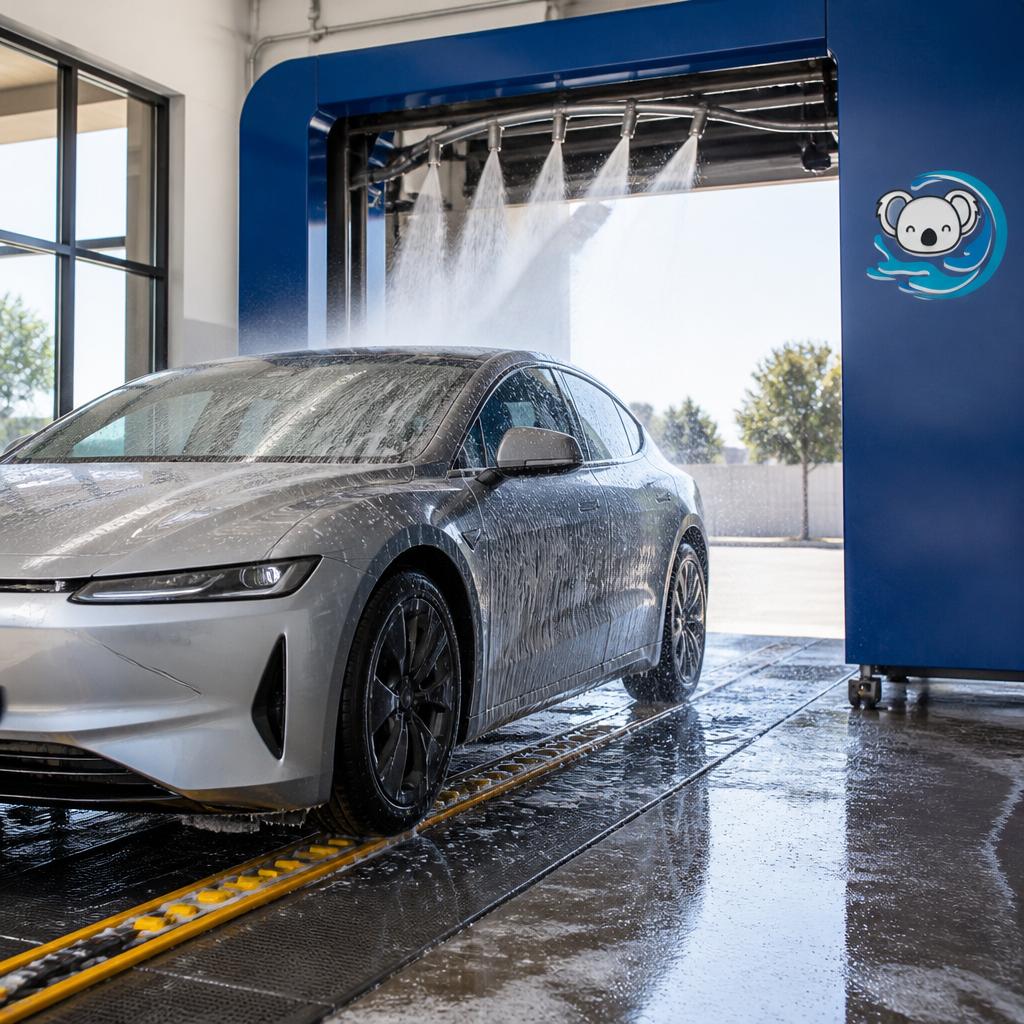
At Koala Wash, our touchless automatic system uses professional-grade products and controlled water pressure to remove dirt, road salt, and grime without putting sensitive areas at risk.
Why sealed electrical systems matter
EVs are engineered with sealed electrical systems that protect high-voltage components from water damage. Your battery pack, motor, and onboard charger sit behind multiple layers of protection built to rigorous safety standards.
The sealed design keeps water out of critical areas during a wash. Manufacturers test these systems to withstand rain, snow, and car wash spray, your electrical components are built to operate safely in wet conditions.
But sealing only works if you avoid forcing water directly into openings. That's why preparation matters: disable automatic wipers, confirm the charging port is fully closed, and check door seals before entering.
How high-pressure water and detergent interact with EV components
High-pressure water at a touchless wash typically ranges from 1,200 to 1,800 PSI, strong enough to remove stubborn dirt and salt, but not forceful enough to damage sealed components when applied correctly.
Touchless detergents are formulated to break down road grime, salt residue, and environmental contaminants, and are pH-balanced to protect your clearcoat while staying tough on dirt.
Modern touchless chemicals are less harsh than older acidic formulas, so they're gentler on ceramic coatings while still cleaning effectively.
Electric Car Charging Port Water Safety
The charging port worries EV owners most, and reasonably so: it's the one exterior spot where high-voltage conductors meet the outside world. The good news is that the port is engineered for wet conditions, and a touchless wash doesn't change that.
How the port is actually sealed
Every production EV port uses a layered sealing strategy:
- A hinged door with a perimeter gasket. The door compresses a rubber or silicone seal against the port housing when latched, keeping rain, snow, and wash spray out.
- Individual pin seals. On J1772 and CCS1 connectors, the power and pilot pins sit inside molded insulators; Tesla's NACS connector applies the same principle with different pin geometry.
- A drain path. Most port housings include a weep or drain channel so water exits rather than pooling against the pins.
That's why the port is water-resistant rather than waterproof: it sheds spray, but isn't built to be submerged or blasted point-blank.
What this means for a touchless wash
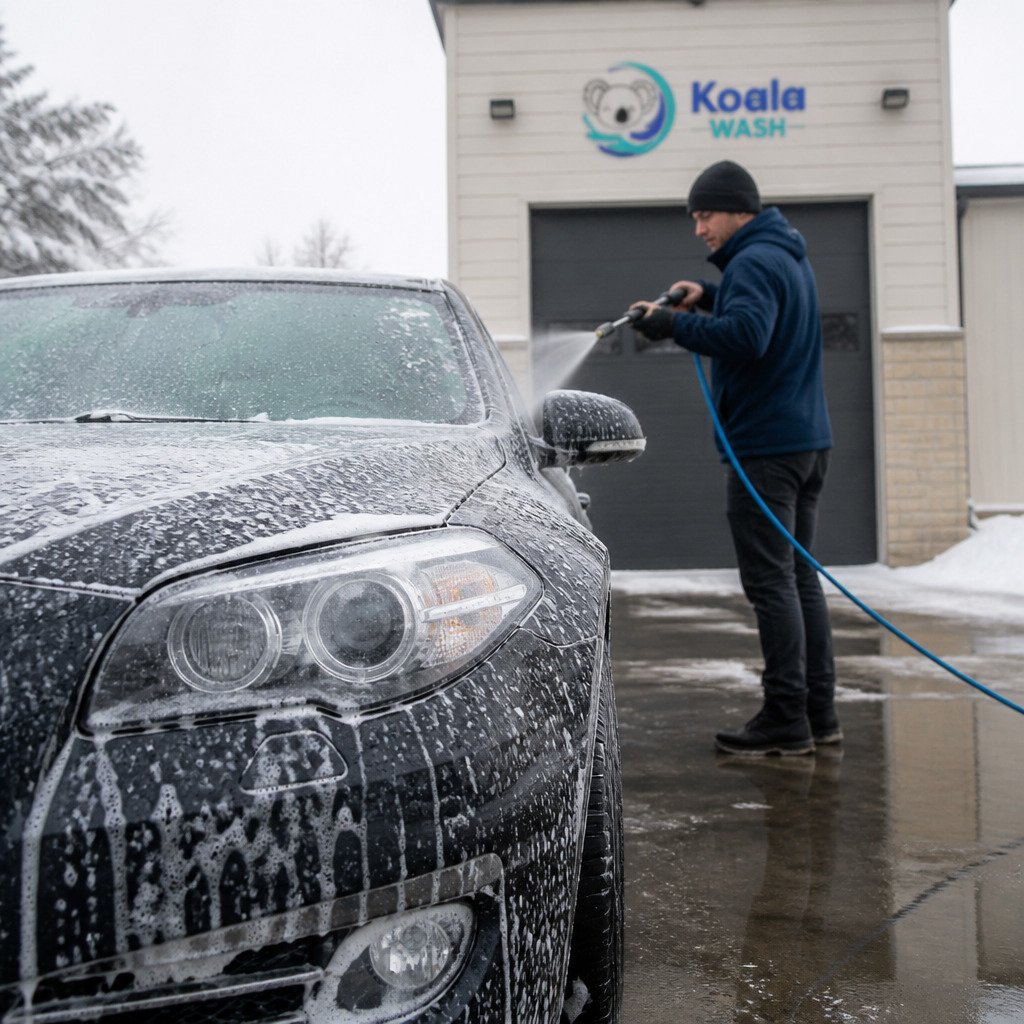
A touchless wash sprays from fixed nozzles several feet away, and that standoff distance is the port's best protection. Avoid a wand-style pressure washer held inches from the port door, which can force water past a gasket that would otherwise shed it.
Pre-wash check
Before you enter the wash:
- Confirm the charge port door is fully closed and latched. Push on it lightly; if it moves, it is not seated.
- Confirm no charging connector or adapter is plugged in. Never enter a wash with a connector attached.
- Look for cracks in the door gasket, a bent door, or a missing drain screen. Any of these is a reason to hand wash instead.
- If your vehicle has a motorized port door, verify it has finished its close cycle before the wash begins.
Post-wash check
After you exit, open the port door and look inside. A few droplets on the plastic housing are normal and harmless. Standing water pooled around the pins, or any discoloration on the contacts, is not, dry the area with a microfiber towel and have the port inspected before your next charge session.
The distinction that matters
Port water safety is an electrical concern, well handled by the vehicle's design. Paint, trim, and sensor damage is a finish and equipment concern, handled by your preparation and the wash operator's settings. Keeping the two separate stops you over-worrying about the port while under-worrying about a loose mirror cap or matte finish.
Using Electric Vehicle Car Wash Mode
Many newer EVs include a car wash mode for automatic washing.
Join our Koala Club for a FREE wash →
To activate car wash mode, consult your owner's manual, the process varies by manufacturer, from a touchscreen menu to a dedicated button or voice command.
If your EV lacks a dedicated car wash mode, manually disable automatic wipers and lock all doors before entering.
Step-by-Step: How to Prepare Your EV for a Touchless Wash
Proper preparation takes a few minutes and protects your paint, charging port, sensors, and electrical components.
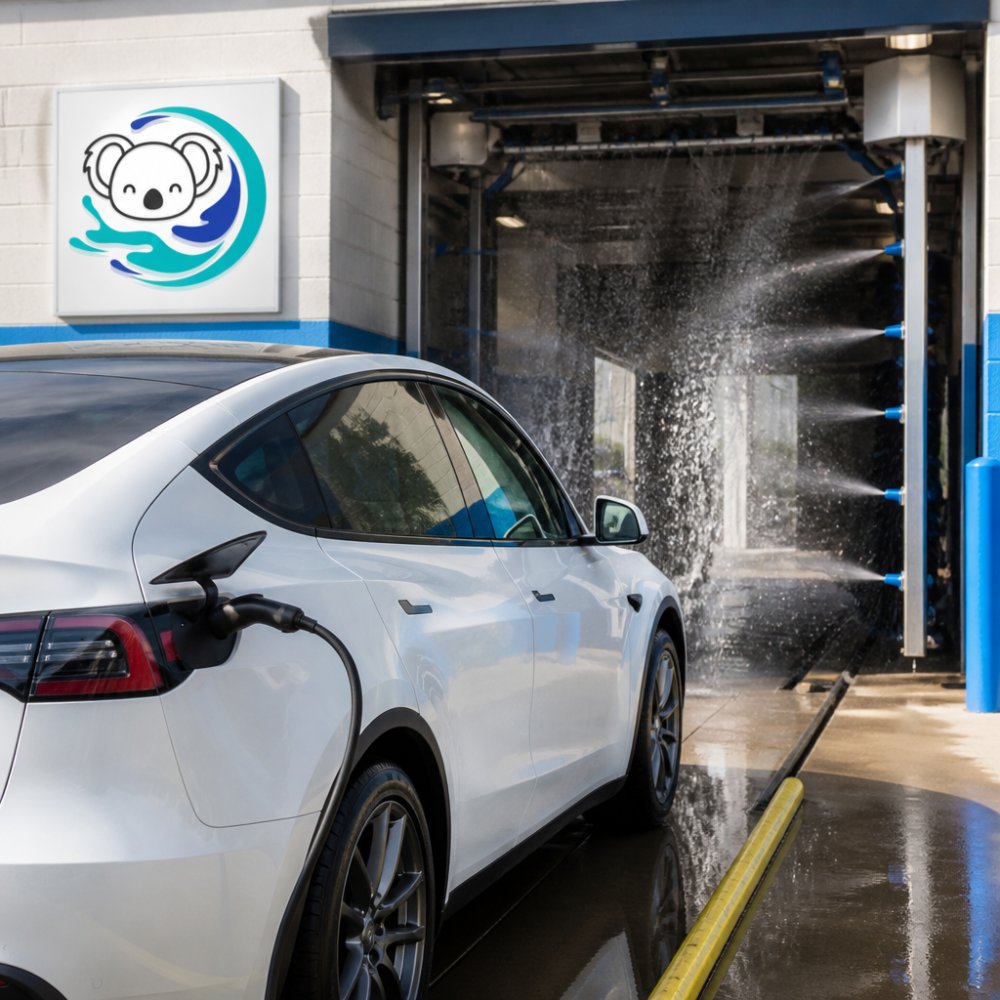
Before you enter the wash
Disable automatic wipers through your settings menu so they don't move when water sprays hit the windshield.
Activate car wash mode if you have it, it prevents door locks from disengaging and disables sensors that could trigger unexpected movement.
Verify doors are locked and the parking brake is engaged, then align your front with the wash entrance for even water coverage.
During the wash cycle
Keep your hands off the steering wheel and let the wash system move your vehicle through the tunnel at a controlled speed.
Don't shift gears or touch the accelerator, car wash mode handles movement automatically. The sounds and water pressure are normal.
Watch for warning lights. If your vehicle stops unexpectedly or shows an error, exit the wash and address the issue before trying again.
After exiting the wash
Drive slowly out of the bay and avoid sudden acceleration or hard braking immediately after the wash.
Re-enable automatic wipers once you've exited, and check that door locks and windows function normally.
Inspect for water spots or residue.
Let your vehicle air dry a few minutes before highway driving, so water isn't blown into door seals or crevices.
Touchless Car Wash Pros and Cons for Electric Vehicles
Knowing the advantages and limitations helps you decide if touchless washing suits your EV and driving conditions.
Advantages for EV owners
Protects ceramic coatings and protective finishes that brushes degrade over time.
Safe for sensitive components like charging ports, sensors, and camera housings, since no physical contact can damage them.
Consistent results from a uniform, controlled spray pattern, the same quality every visit, unlike hand washing.
Join our Koala Club for a FREE wash →
Removes salt and road grime effectively in harsh winters, breaking down buildup without damaging your vehicle.
Limitations to know about
Less effective on heavily soiled vehicles with thick mud or caked-on debris, touchless works best on light to moderate dirt.
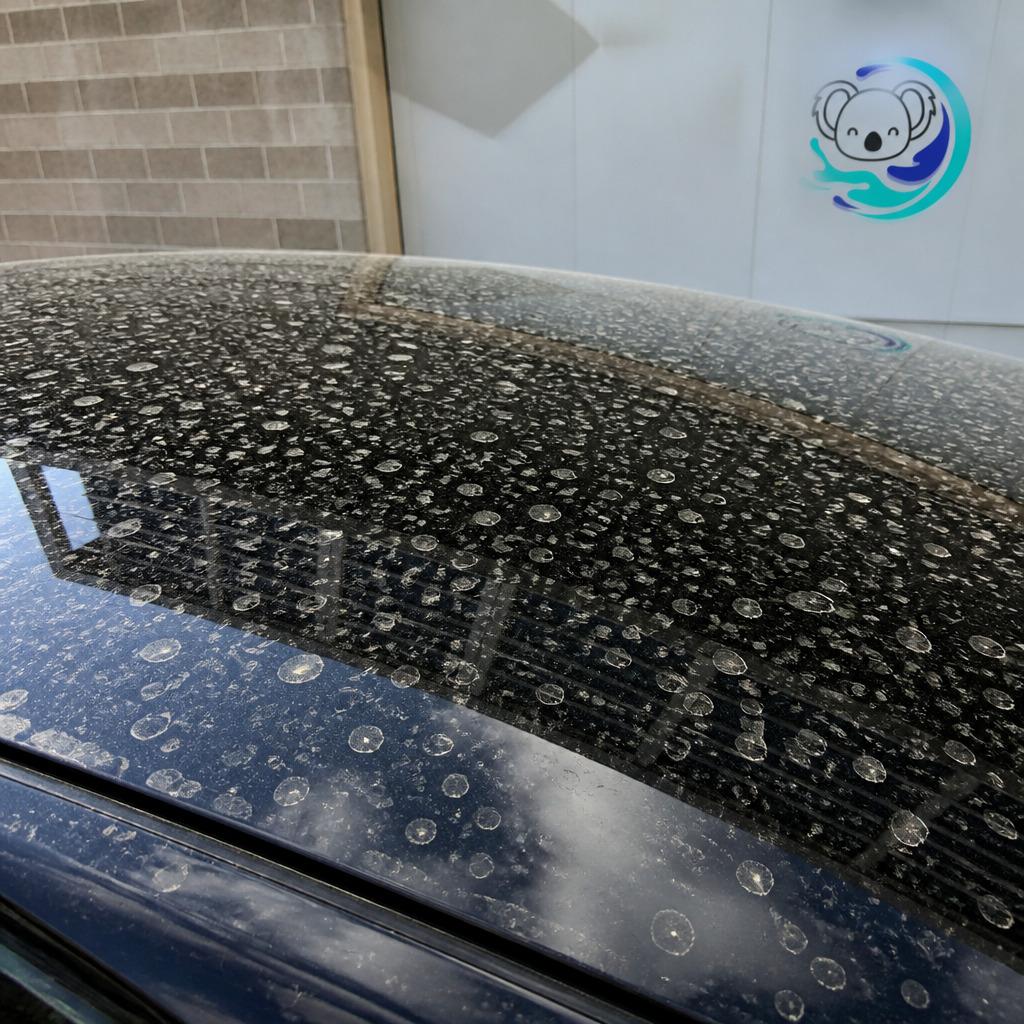
May leave water spots where water is mineral-heavy; deposits can stay visible on paint until you dry the vehicle.
Requires proper preparation, skip the setup steps and you may get poor results or miss disabling important features.
Following Your Manufacturer's Washing Instructions
Here's how to actually find the relevant guidance, what to search for, and where major EV platforms diverge.
Where the wash guidance lives in your manual
Automakers rarely put car-wash instructions in one place. The material is usually split across three or four sections:
- Exterior care / cleaning and protecting the exterior. Paint, trim, and finish guidance, including warnings about automatic brush washes or specific detergent chemistries.
- Vehicle settings / convenience features. Car wash mode, wiper service mode, and automatic door-lock behavior.
- Driving and operating / starting and driving. Neutral-hold behavior, automatic parking brake engagement, and one-pedal-driving or regenerative-braking overrides.
If you read only one section, make it exterior care, that's where the strongest warnings about brush washes and specific finishes appear.
Search terms that surface the right pages
In a digital manual, use the search function and try these terms in order:
- "car wash"
- "car wash mode"
- "automatic car wash"
- "wiper service" or "wiper service position"
- "neutral hold" or "stay in neutral"
- "high-pressure" or "pressure washer"
- "matte" (if your vehicle has a matte or satin finish)
A common pattern: "car wash mode" appears in the settings section, while the brush-wash warning appears only in exterior care. Searching one term won't find the other.
How the guidance differs across platforms
You don't need another brand's procedure, but knowing the categories helps you interpret your own manual:
- Dedicated car wash mode. Some EVs offer one menu item that disables automatic wipers, holds neutral, prevents parking-brake engagement, and suppresses door-lock cycling. Use it, it replaces most manual steps.
- Wiper service mode only. Some vehicles offer a wiper service position but no full car-wash mode, you must manually select neutral, disable auto-lock, and confirm the parking brake won't engage.
- No dedicated mode. Some EVs, particularly earlier models, offer neither. You handle everything through the standard settings menus.
What to look for in the warnings
When you find the wash section, scan for these warnings:
- Brush wash prohibitions. Many manuals advise against brush-based automatic washes, a paint and trim warning, not an electrical one.
- Pressure limits. Some manuals state a maximum pressure or a minimum nozzle distance. Treat these as hard limits.
- Temperature limits. Hot water or steam guidance usually concerns paint and underhood components, not the battery pack.
A practical habit
Before your first wash in a new vehicle, photograph the relevant manual pages and keep them in a phone album. That way you're not searching a touchscreen while an attendant waves you forward, and you have exact wording if a wash operator asks what settings your vehicle needs.
If the manual is ambiguous, especially on neutral-hold or regenerative braking, call your dealership's service department before your first automatic wash. A two-minute call beats a repair bill.
Frequently Asked Questions
Is it safe to run an electric vehicle through a touchless car wash?
Yes, touchless car washes are safe for electric vehicles when you follow proper preparation steps. Modern EVs have sealed electrical systems and high-voltage battery packs designed to withstand water exposure during normal driving. Touchless washes use high-pressure water and detergent rather than rotating brushes, which eliminates the risk of physical contact damage. However, always consult your owner's manual and enable car-wash mode if your vehicle offers it to disable sensitive features like automatic wipers and cameras.
Can water damage an electric car's charging port?
Charging ports on electric vehicles are engineered with water-resistant seals and gaskets to prevent water intrusion. High-pressure water from a touchless wash can reach these areas, but the design protects internal electrical contacts. To minimize any risk, avoid directing spray directly at the charging port for extended periods, and ensure the port cover is fully closed before entering the wash. If water does enter, the vehicle's diagnostic systems will typically alert you to any issues.
What should I do before taking my EV through a touchless car wash?
Before entering, enable car-wash mode (if available), disable automatic wipers, and ensure all doors and windows are closed. Verify the charging port cover is fully secured. Check your owner's manual for any specific washing restrictions or recommendations. Position your vehicle carefully to avoid angling spray toward sensors, cameras, or trim. Put the vehicle in neutral and use the car-wash mode if your EV has one. After the wash, inspect the charging port and exterior trim for any water residue and dry if needed.
Are touchless washes as effective as brush-based washes for removing salt and road grime?
Touchless washes use high-pressure water jets and professional-grade detergent to remove most dirt, salt buildup, and road grime effectively. However, they may be less effective on heavily caked-on mud or stubborn residue compared to rotating brushes. For winter conditions with heavy salt accumulation, touchless washes still provide strong cleaning without the scratch risk of brush contact. If you encounter particularly stubborn buildup, consider a pre-rinse or allowing the detergent longer contact time during the wash cycle.