 how-to
Does Touchless Wash Remove Road Salt
Table of Contents
- What Touchless Washes Actually Remove
- How Road Salt Damages Paint and Metal
- How to Remove Road Salt From a Car
- Does a Touchless Car Wash Clean the Undercarriage
- What Neutralizes Road Salt on a Car
- How Often to Wash Car in Winter
- Touchless Versus Mechanical Washes for Salt Removal
- Frequently Asked Questions
Last Updated: October 16, 2026
What Touchless Washes Actually Remove
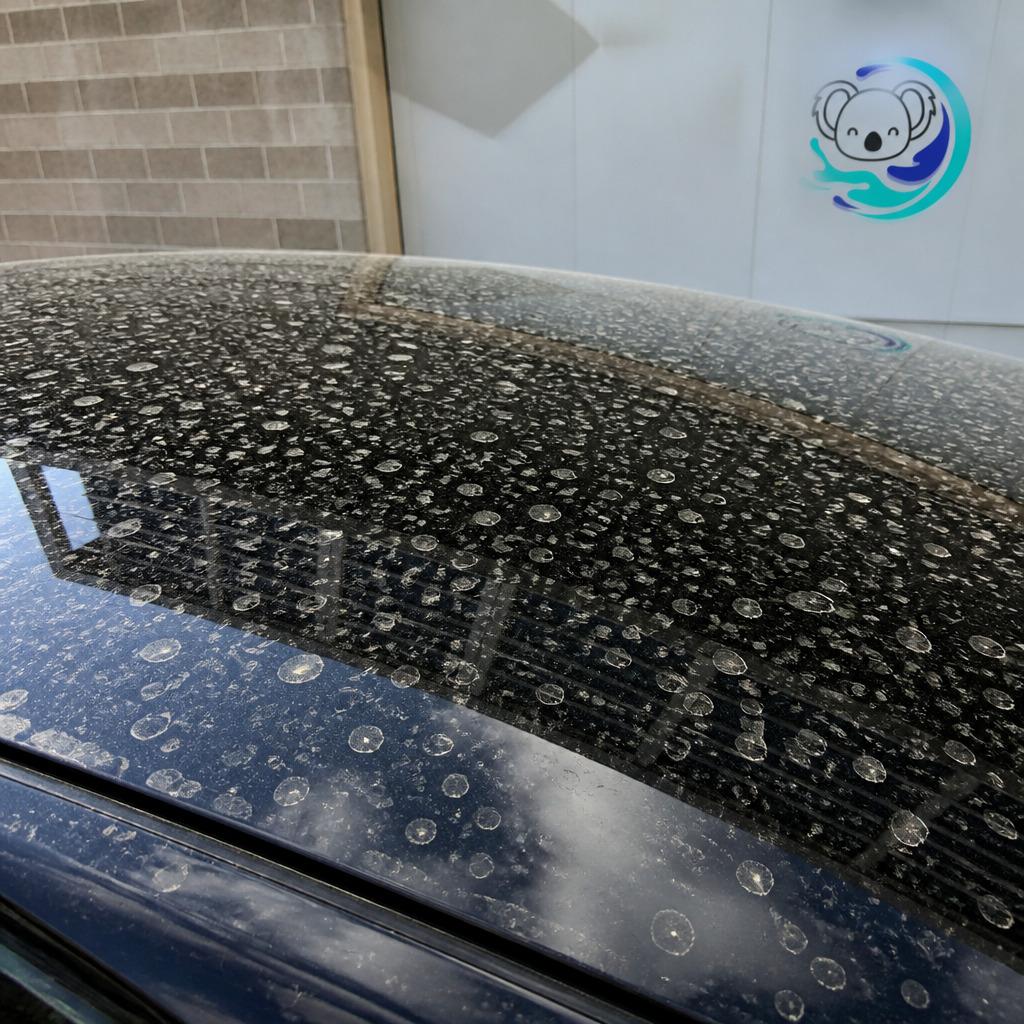
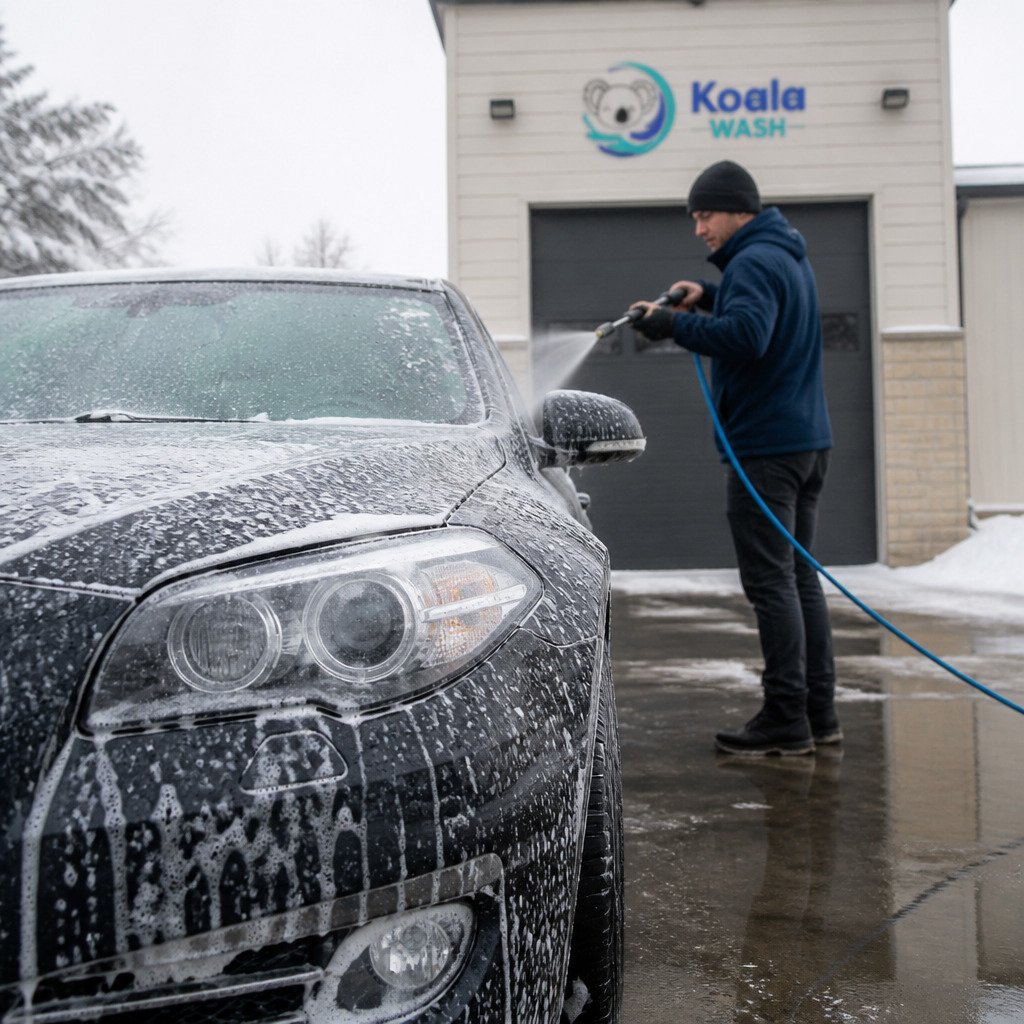
A touchless wash remove road salt uses high-pressure water jets and cleaning solutions to remove dirt, grime, and contaminants without brushes or contact.
The short answer is yes, with a caveat. Touchless washes excel at lifting loose salt residue, road film, and surface grime off your paint and clear coat.
High-pressure water jets can remove the majority of road salt buildup when applied correctly, reaching areas mechanical washes miss without the swirl marks or scratches brush contact can cause.
What sets touchless washing apart is pressure and coverage.
How Road Salt Damages Paint and Metal
Road salt is one of the most damaging substances your vehicle encounters in winter, accelerating corrosion and compromising your paint's protective layers.
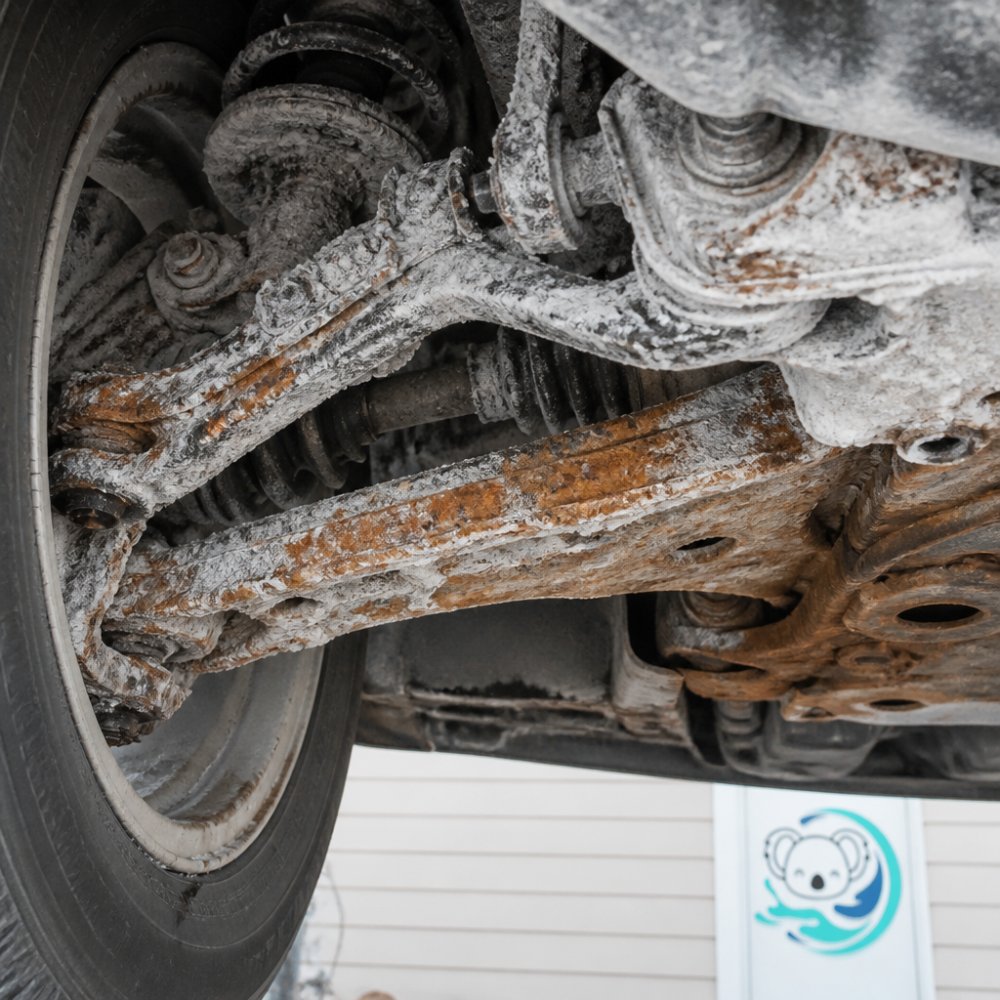
When salt contacts bare metal, it triggers an electrochemical reaction that creates rust, especially when temperatures fluctuate above and below freezing.
The damage progression works like this:
- Salt particles settle on exposed metal surfaces
- Moisture from snow and rain combines with salt
- Electrochemical corrosion begins within hours
- Paint clear coat develops micro-cracks from salt exposure
- Rust spreads beneath the paint surface if salt remains untreated
Ceramic coatings and protective finishes offer some defense but aren't impenetrable. Regular washing removes salt before it causes permanent damage.
How to Remove Road Salt From a Car
Removing road salt requires a systematic approach, starting with a thorough wash targeting all exposed surfaces.
The basic removal process:
- Rinse your entire vehicle with a pre-rinse to loosen loose salt particles
- Apply a salt-removing soap or detergent designed for winter conditions
- Allow the solution to sit for 30-60 seconds to break down salt chemically
- Rinse thoroughly with high-pressure water, paying special attention to wheel wells and undercarriage areas
- Dry your vehicle to prevent water spots and secondary salt formation
A touchless car wash handles the first four steps automatically, reaching areas your hands cannot access safely and preventing salt residue from being left behind.
After your wash, inspect your vehicle for remaining salt buildup. Look at:
- Door seams and trim gaps
- Around windows and weatherstripping
- Wheel wells and inside the tire sidewalls
- Lower bumper sections and rocker panels
- Any crevices where water collects
For stubborn deposits, a second wash may be necessary, some drivers follow a touchless wash with a moderate-pressure garden-hose rinse.
Does a Touchless Car Wash Clean the Undercarriage
The undercarriage is where salt does the most damage and the hardest area to clean. Does a touchless car wash clean it effectively?
The honest answer: it depends on the wash system, the vehicle, and how you verify the result.
What a touchless underbody rinse actually does
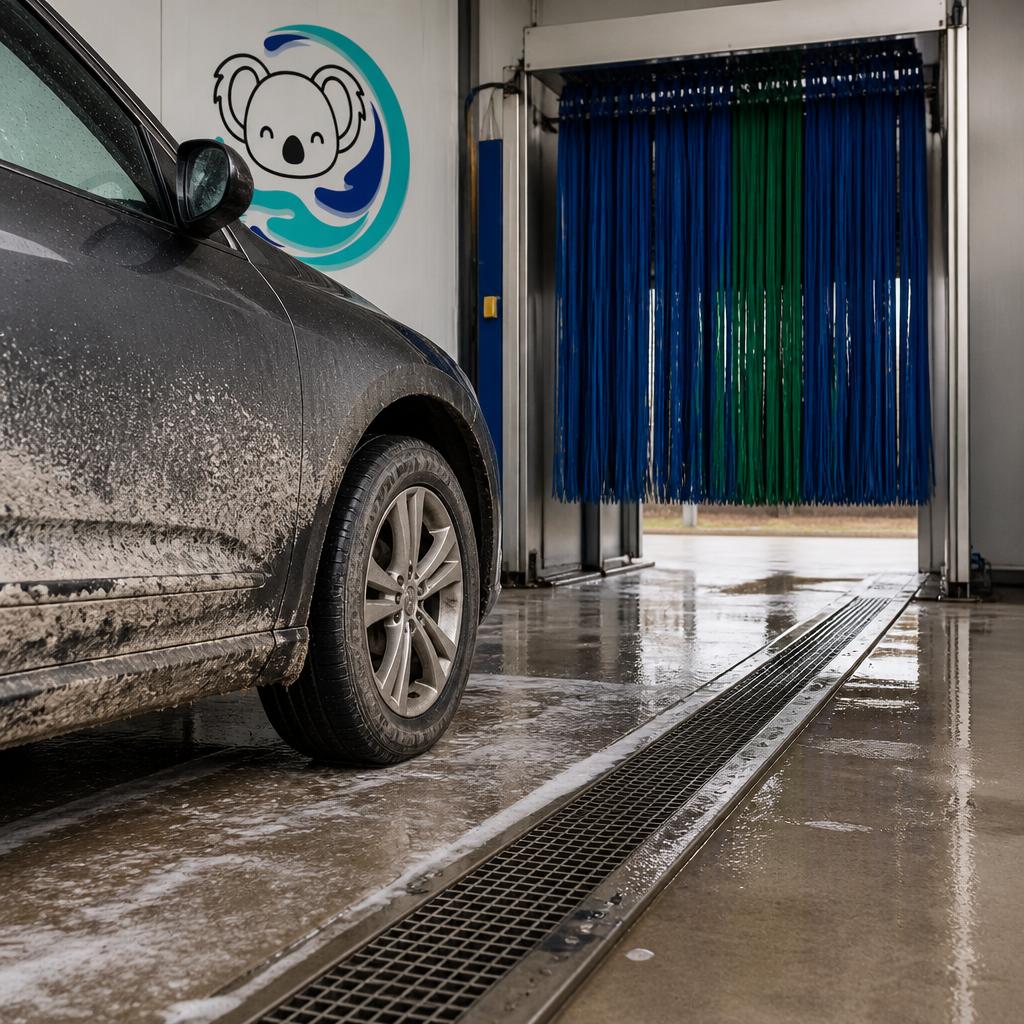
A quality touchless wash runs a dedicated underbody spray bar or oscillating nozzles beneath the vehicle as you drive over it.
What that pass reliably removes:
Join our Koala Club for a FREE wash →
- Loose salt crystals and brine residue clinging to floor pans and frame rails
- Road film and salt-laden splash on wheel wells and inner fenders
- Surface grime on exposed suspension arms, exhaust hangers, and brake backing plates
- Salt spray on the lower 12-18 inches of the body, which is where most winter corrosion starts
What it typically does not fully reach:
- Inside boxed frame rails and rocker panel cavities, where salt brine pools and dries
- Behind plastic splash shields and underbody cladding
- Deep pockets around fuel tank straps, spare tire wells, and rear subframes
- Brake caliper brackets and the inner faces of wheels, which trap salt against metal
How to verify undercarriage coverage at home
You don't need a lift to check the underbody rinse. After the wash, park on dry pavement and use a flashlight to inspect:
- Rocker panels and lower doors, run a finger along the bottom edge. A chalky white or gray film means salt residue remains.
- Wheel wells, look for white streaking on the plastic liners and on the inner tire sidewalls. If the liner still shows salt tracks, the rinse missed.
- Frame rails and subframe, shine the light up from behind each wheel. Freshly rinsed metal looks uniformly wet or evenly dry; patchy white crust means salt survived.
- Exhaust and heat shields, these collect salt spray and are easy to overlook.
- Rear bumper underside and hitch area, a common salt trap on trucks and SUVs.
If you find residue in two or more spots, one touchless pass wasn't enough.
Undercarriage rinse duration and frequency
Rinse duration matters more than most drivers realize.
In salt season, an underbody rinse every 1-2 weeks keeps accumulation below the threshold where crevice corrosion takes hold.
What Neutralizes Road Salt on a Car
Beyond mechanical removal, certain products actively neutralize road salt's corrosive properties.
Salt-neutralizing products chemically bond with salt particles, preventing them from initiating corrosion. They come as rinse additives, protective sprays, and specialized soaps.
Common salt-neutralizing approaches:
- Salt-removal soap formulas that break down salt crystals
- Protective sprays that create a barrier against future salt exposure
- Ceramic coatings that provide long-term salt resistance
- Wax products that seal your paint and reduce salt adhesion
Many modern touchless car washes use detergents designed to neutralize salt. Surfactants surround salt particles and suspend them for rinsing, chemical action more effective than water pressure alone.
After washing, a protective coating adds defense: ceramic coatings create a hydrophobic surface that repels salt-laden water and makes salt particles easier to rinse away next time.
How Often to Wash Car in Winter
Winter washing frequency depends on local salt exposure, weather, and, critically, temperature at wash time.
Baseline frequency
During active winter weather with frequent salt application, wash every 1-2 weeks.
Factors that push you toward the shorter end of that range:
- Heavy snow and ice in your area
- Roads treated with salt or brine regularly
- Frequent temperature swings above and below 32°F, which accelerate corrosion
- Older vehicles with compromised clear coat or existing rust
- Daily highway commuting on treated roads
New vehicles with ceramic coatings can stretch intervals slightly because the coating sheds salt-laden water more readily.
A practical trigger: wash whenever you see a white film or chalky residue on rocker panels, wheel wells, or the rear bumper.
Washing safely when it's below freezing
Join our Koala Club for a FREE wash →
Temperature guidance that practitioners commonly use:
- Above 40°F, normal wash conditions; dry thoroughly and you're done.
- 32-40°F, safe to wash, but dry door jambs, seals, and locks immediately after.
- 25-32°F, wash only if you can dry the vehicle promptly and park it in a garage or above-freezing space afterward.
- Below 25°F, skip the wash unless the facility is heated or you can dry indoors. The risk of frozen locks, frozen door seals, and ice in brake lines outweighs the benefit of one more rinse.
Preventing frozen locks, doors, and seals
If you do wash in near-freezing conditions:
- Dry the door jambs and seals with a microfiber towel immediately after the wash. Water trapped in the rubber seal is what freezes doors shut.
- Wipe lock cylinders and apply a graphite or silicone lock lubricant before winter, not after they freeze.
- Treat weatherstripping with a silicone-based protectant in fall so ice doesn't bond to the rubber.
- Run the HVAC on defrost for a few minutes after washing to push warm air through the door cavities.
- Avoid parking facing into the wind overnight after a wash; wind-driven refreezing is worse on the exposed side.
- Never pour hot water on a frozen lock or seal, thermal shock cracks glass and damages rubber.
Drying matters as much as washing
A touchless wash that leaves water in door seams, mirror housings, and around the fuel door will refreeze into ice that can crack paint and tear seals. Use the blow-dry cycle if available, then hand-dry seams, mirrors, and handles with a microfiber towel. Pay attention to:
- Door jambs and the bottom edge of each door
- Around the fuel filler door
- Mirror housings and the base of the windshield
- Trunk or tailgate seams
- Wheel lug recesses, which hold water and freeze
Cost versus consequence
Compare the cost of regular washing to rust repair, which commonly runs into the thousands, or paint correction for clear-coat damage.
Touchless Versus Mechanical Washes for Salt Removal
The choice between touchless and mechanical washes matters when salt removal is your priority.
Touchless washes use high-pressure water and detergent without brush contact. They excel at salt removal because:
- No brush contact means no swirl marks or scratches
- High-pressure jets reach crevices and hard-to-access areas
- Detergent formulas are optimized for salt breakdown
- Undercarriage coverage is comprehensive
- Safe for ceramic coatings and delicate finishes
Mechanical washes use soft-touch brushes or cloth strips that contact your paint:
- Brushes can scrub stubborn salt buildup more aggressively
- Mechanical systems are often less expensive per wash
The trade-off is real. Mechanical brushes, even soft-touch varieties, create microscopic scratches over time. With road salt present, this risk increases.
For winter salt removal, touchless washing is the superior choice: high-pressure coverage removes salt while protecting paint and clear coat.
| Wash Type | Salt Removal | Paint Safety | Undercarriage Coverage | Cost |
|---|---|---|---|---|
| Touchless | Excellent | Excellent | Good to Excellent | Moderate |
| Soft-Touch Mechanical | Very Good | Good | Fair | Lower |
| Hand Wash | Excellent | Excellent | Limited | High |
Road salt is relentless in winter, and protecting your vehicle requires consistent action. A touchless car wash removes the majority of road salt and contaminants while safeguarding your finish.
At Koala Wash, we understand the specific challenges drivers face during winter. With high-pressure water jets, salt-neutralizing detergents, and comprehensive undercarriage coverage, you can keep your vehicle clean and protected throughout the winter season. Join our Koala Club for a free wash and discover how regular touchless washing maintains your vehicle's appearance and prevents costly salt damage.
Frequently Asked Questions
Does touchless wash remove road salt effectively?
Touchless washes use high-pressure water and detergent to remove loose salt, road film, and grime from your vehicle's exterior. They work best on salt that has not bonded to the paint. However, salt that has sat on the vehicle for extended periods or accumulated in crevices may require additional rinsing or pre-treatment. The effectiveness depends on water pressure, rinse duration, and how long salt has been present on the paint.
What neutralizes road salt on a car?
Fresh water is the primary neutralizer for road salt. High-pressure rinsing with clean water breaks down salt crystals and flushes them away. Professional car wash detergents are formulated to help lift and suspend salt particles, making them easier to rinse away. Some detergents contain surfactants that reduce the surface tension of water, improving salt removal. A thorough rinse with high-pressure water after soap application is essential for complete salt neutralization.
How often should you wash your car in winter to prevent salt damage?
During winter months with regular salt exposure, washing your vehicle every 1-2 weeks is recommended. If you live in an area with frequent road salt application or drive on salted roads daily, weekly washing provides better protection. After heavy snow or salt storms, wash within 24-48 hours to prevent salt from bonding to the paint. More frequent washing during winter reduces the time salt sits on your vehicle and minimizes corrosion risk on metal components.
Can a touchless car wash damage ceramic coatings?
Properly maintained touchless washes are safe for ceramic coatings when they use appropriate water pressure and professional-grade detergents. Ceramic coatings are designed to withstand regular washing. Avoid extremely harsh chemical cleaners or abrasive scrubbing, but the high-pressure water and soap used in touchless systems should not strip ceramic coatings. Always verify that your touchless wash facility uses paint-safe practices and does not use corrosive chemicals that could compromise the coating.